
The Fourth of July is the most-sold weekend of the radio summer — and the most under-sold. Most stations run the same fireworks remote they ran last year, at last year's rate, and call it a promotion. This guide is the money side of the holiday: the four promotions that actually generate revenue, the sponsor categories writing checks in early July, how to package and price it so the rate reflects the demand, and the one 2026 timing fact — the Fourth lands on a Saturday — that decides how you sell the whole weekend.
Walk through any radio sales bullpen in the last week of June and you'll find the same item open on three different desks: the Fourth of July package. It's the easiest holiday in the world to sell something against — and the easiest one to leave money on the table with. The sellers we talk to describe the same pattern every year: a fireworks remote gets dusted off, a couple of :30s get bundled in, the rate barely moves from last summer, and a weekend that should anchor the Q3 book gets treated like a line item.
This is the companion piece to the July 4th content guide — that one covers what goes on the air. This one covers what pays for it.
Why the Fourth Is the Summer's Sharpest Revenue Window
Independence Day concentrates demand like almost nothing else on the summer calendar. It's a top-tier consumer-spending holiday — cookouts, travel, fireworks, retail, auto — and the spending is compressed into a single long weekend with a hard date. Advertisers can't move the Fourth, which means they can't wait for a better rate. That's leverage, and most stations don't price like they have it.
It also sits right in the middle of the summer book. A well-built July promotion does double duty: it books real revenue and drives the kind of appointment listening that shows up in the survey. If you're already thinking about the summer ratings window, the Fourth is your highest-velocity chance to convert a seasonal event into both dollars and quarter-hours.
Here's the distinction worth holding onto, because it shapes everything below: a contest is a listener-facing engagement mechanic, and a promotion is a revenue vehicle that may contain a contest but exists to generate income. Most stations run plenty of the first kind and very little of the second. The Fourth rewards the second.
Start With the Objective, Not the Fireworks
The single biggest mistake I see around this holiday is starting with the idea — "let's do a fireworks remote" — instead of the objective. Every promotion needs a reason to exist before it gets a name. Strategy first, tactics second.
So before you build anything, answer one question: what is this promotion for?
- New direct revenue? Then it needs a single title sponsor and a premium rate.
- Non-traditional revenue (NTR)? Then it's an event or experience you can sell entry, vendor, or category exclusivity into.
- A ratings lift? Then the on-air mechanic and the tune-in motivation matter more than the prize.
- Sponsor renewal or goodwill? Then it's a community moment that makes the advertiser look generous, not loud.
The objective determines how you build, price, and pitch the whole thing — before you ever decide what the listener hears. Skip this step and you get activity without income, which is the trap.
The Four Promotions That Actually Sell on the Fourth
1. The Fireworks-Show Remote — Your Marquee Unit
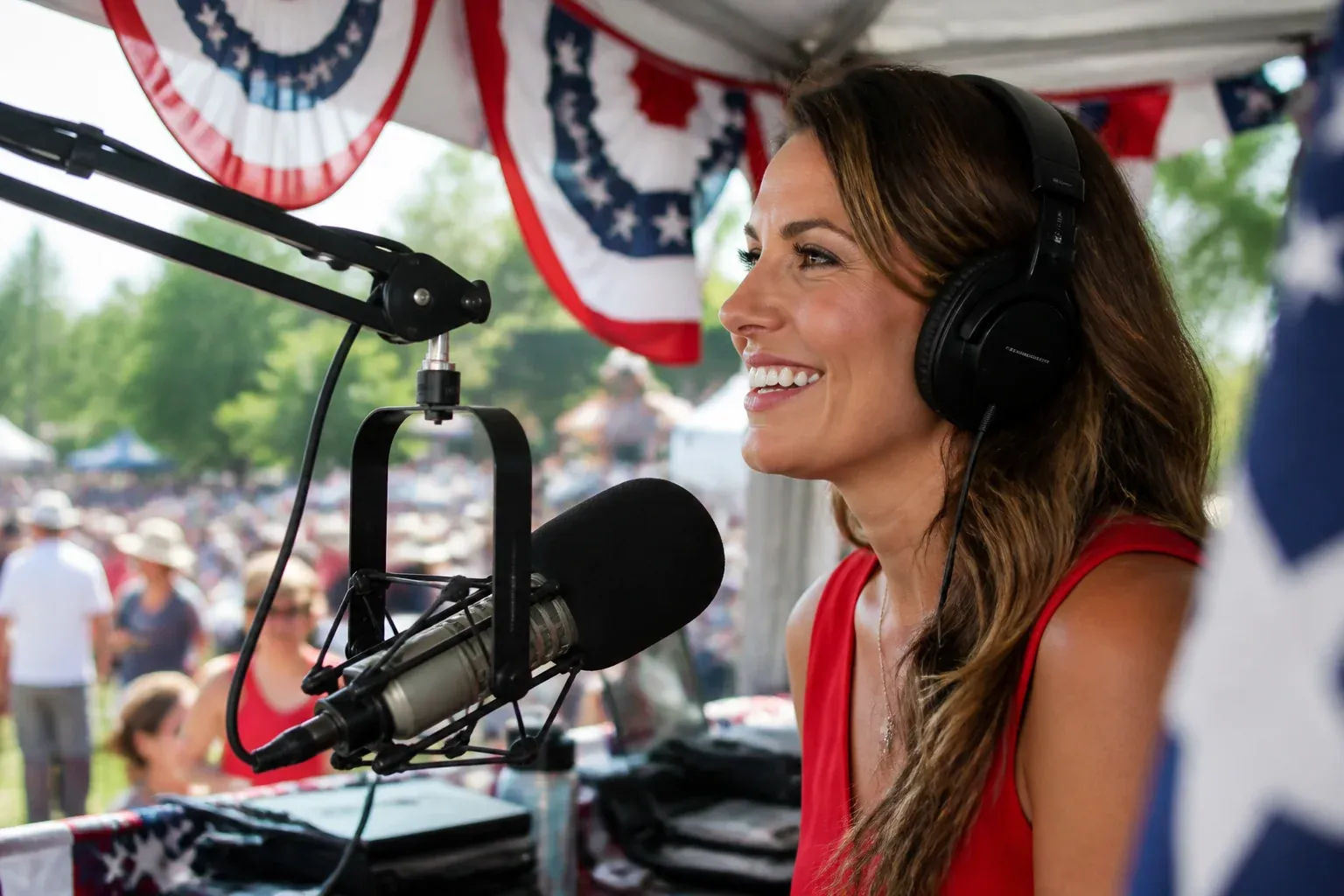
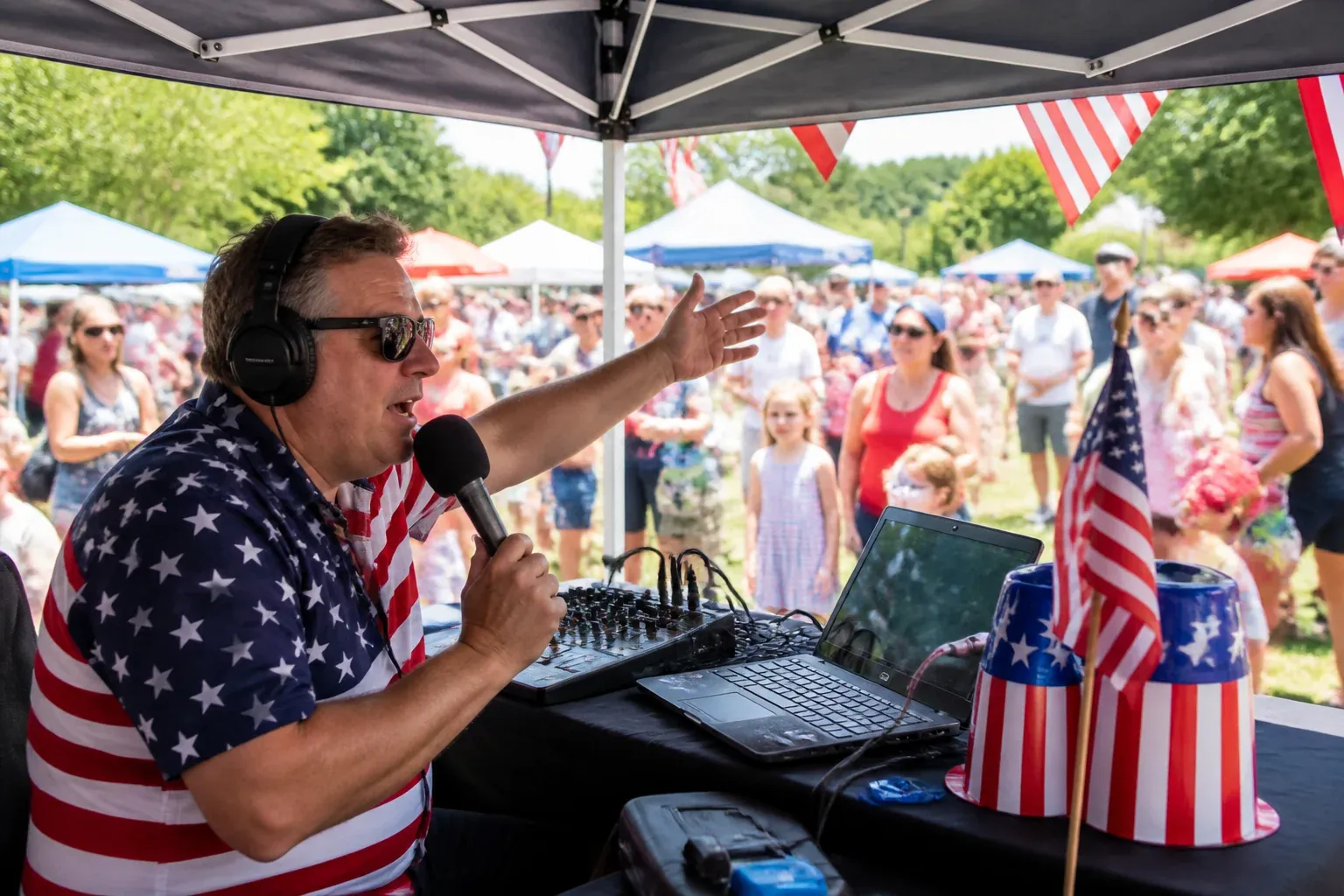
The big municipal fireworks show is the single most sellable moment of the weekend, and it should be your highest-priced unit. A live remote puts your brand at the center of the biggest gathering in the market — and gives a title sponsor genuine, photographable presence.
What separates a modest fireworks remote from a premium one isn't the location. It's the content arc around it: tune-in motivation all week, a live countdown to the first shell, a sponsor woven into the experience instead of bolted onto it. Run the logistics tight — staffing, connectivity, a backup plan for the one thing that always goes sideways — using a real remote broadcast workflow so the marquee unit sounds marquee.
2. The Parade or Festival Tie-In
Not every advertiser can own the fireworks, and not every station should put all its weight on one Saturday night. The morning parade, the riverfront festival, the food-truck rally — each is a presenting-sponsor opportunity with a lower production lift and a daytime, family audience. Sell these as a package of their own, or as the "early" leg of a weekend that builds to the fireworks finale.
3. The Independence Day Contest — Built as a Game, Not a Call-In
Here's the thing about radio contests in 2026: the old "caller nine wins" mechanic is fading, and play-along games are what actually move ratings and brand. The research is consistent — contests drive measurable growth when they're promoted properly and built as something listeners participate in over days, not a single phone line on a single morning.
For the Fourth, that means a play-along franchise with a patriotic hook: a "Star-Spangled Payday" cash code listeners enter all weekend, a "Great American Road Trip" giveaway built around summer travel, a text-to-win that quietly builds your first-party database while it runs. The prize matters less than the right incentive and the daily reason to come back. For the full menu of mechanics, the radio contest ideas playbook breaks them down by channel — pick the ones that fit a multi-day holiday window.
4. The Sponsor-Built Community Moment
The most renewable promotion of the four isn't the loudest — it's the one that makes a sponsor look like a good neighbor. A presented fireworks-safety PSA campaign. A "hometown heroes" salute to local first responders working the holiday. A canned-goods or blood drive tied to a remote. These earn real goodwill, they're easy for a bank, hospital, or utility to say yes to, and they renew year after year because the advertiser gets credit for caring. Goodwill, packaged right, is revenue.
The Sponsor Categories That Buy in Early July
The Fourth is sponsor-rich in a way most holidays aren't, because so many categories have a natural reason to be there. Lead with these:
- Automotive — the "Red, White & You" sales event is a July cliché because it works; dealers budget for it.
- Home improvement, hardware & grills — cookout season peaks on this weekend; it's their Super Bowl.
- Beer, spirits & beverage — category-exclusive, age-gated, and reliably funded for summer.
- Retail & big-box — holiday-weekend doorbusters want frequency and a tune-in reason.
- Banks & credit unions — the cleanest fit for the flag-waving brand play and the community-PSA sponsorship.
- HVAC & cooling — peak-demand season; a "beat the heat" tie-in sells itself.
- Grocery & convenience — the cookout shopping list is their pitch.
Match the category to the right unit. Auto and retail want the high-frequency contest. The bank wants the safety PSA. The grill brand wants the festival remote where the smoke is already in the air.
Package It So It Sells — and Prices Like It Should
A July 4th promotion should never go out as airtime alone. Bundle it: on-air promos and live mentions, the digital and social reach you can document, on-site presence at the remote, and the contest mechanic that ties it together. The bundle is what justifies the premium — and seasonal demand supports a real one, typically 15–25% above an equivalent off-peak buy. Advertisers understand seasonal pricing because they budget for it.
If you want the underlying revenue models laid out — direct sale, sponsorship, trade, digital — the radio promotion ideas guide is the framework this holiday plugs into, and summer radio sales puts the Fourth in the context of the whole Q3 book. The principle that carries across all of them: the content arc is the rate card. Two stations with the same prize budget can charge wildly different rates based entirely on how strong the surrounding content is.
The 2026 Wrinkle: Sell the Long Weekend, Not One Day
Independence Day falls on Saturday, July 4 in 2026, and that reshapes the sell. A Saturday Fourth means a true long weekend — a lot of the market takes Friday, July 3 off — so your package shouldn't be a single-day buy. Sell Thursday through Sunday: the Friday daytime drive when everyone's heading out of town, the Saturday out-of-home audience at the cookout and the fireworks, the Sunday wind-down.
That also changes the on-air execution, and it's worth coordinating both sides so the promotion and the programming reinforce each other — the July 4th content guide covers the Saturday-timing programming notes in detail, and the broader summer promotion playbook shows how a single weekend fits into the season-long arc. Pitch sponsors the whole weekend, not just the night the shells go up.
Don't Let It Die in Execution
The best-sold promotion in the building still fails if it's promoted like an afterthought. Tease it all week so the audience knows where to find you. Run the contest with daily touchpoints, not a one-and-done mention. And when it's over, build the recap — listener entries, social reach, photos from the remote, on-air promo counts — into a one-page deck for the sponsor. That deck is what turns a one-time July buy into next year's renewal at a higher rate. The follow-through is where the real money is.
Ready to simplify your show prep?
Try RCP free for 7 days. $0 until day 8
Frequently Asked Questions
What are the best July 4th radio promotions for revenue?
The four highest-revenue plays are the title-sponsored fireworks-show remote, the parade or festival presenting sponsorship, a multi-day play-along contest, and a sponsor-built community moment like a fireworks-safety PSA campaign. Start with your objective — direct revenue, NTR, ratings, or goodwill — and the right format follows.
How far in advance should you sell Independence Day promotions?
Earlier than most stations do. Sponsor categories budget for the Fourth months out, and the premium inventory — the fireworks remote, category exclusivity — sells first. Aim to have packages in front of advertisers by late spring; by the last week of June you're competing for whatever's left.
What's the difference between a July 4th promotion and a contest?
A contest is a listener engagement mechanic — a way to drive participation and tune-in. A promotion is a revenue vehicle that exists to generate income and often includes a contest as one component. The Fourth rewards building the revenue vehicle first, then choosing the contest that serves it.
Which sponsor categories buy around the Fourth of July?
Automotive, home improvement and grills, beer and beverage, retail and big-box, banks and credit unions, HVAC, and grocery all have a natural reason to be there. Match each to the right unit — high-frequency contests for auto and retail, community PSAs for banks and hospitals, festival remotes for cookout brands.
Key Takeaways
- The Fourth is the summer's sharpest revenue window — concentrated, sponsor-rich demand on a date advertisers can't move.
- Start with the objective, not the idea. Direct revenue, NTR, ratings, and goodwill each call for a different build and a different pitch.
- Build contests as multi-day games, not call-ins — and promote them properly, because that's what actually moves both entries and ratings.
- Bundle and price for the season. Airtime plus digital, social, and on-site presence supports a 15–25% seasonal premium; the content arc is the rate card.
- In 2026, sell the long weekend. A Saturday Fourth makes Friday, July 3 part of the package — pitch Thursday through Sunday.
- Win the renewal in the recap. A one-page results deck turns a one-time July buy into next year's bigger one.
Ready to simplify your show prep?
Try RCP free for 7 days. $0 until day 8