
You don't need to be the "official" concert station to own concert season — the station with presenting rights has its logo on the ticket, but the one that wins the fans wins the night. This guide covers why summer live events are a radio sweet spot, ticket-giveaway contest mechanics that build listening, the on-site remote playbook, artist and label tie-ins, and how to package it all into a sponsor deal for every format.
The presenting sponsor pays a fortune to put its name on the tour. And every summer, some scrappier station with no official anything shows up, gives away better seats, throws a smarter tailgate, and walks away owning the conversation the fans actually have. That's the counter-intuitive truth of concert coverage: the logo on the ticket matters far less than the experience around it. Live events are the rare radio play that's a revenue driver and a listener-loyalty engine at the same time — if you work the moment instead of just buying the banner.
Why Summer Live Events Are a Radio Sweet Spot
Concerts and festivals hit three targets radio cares about, all at once:
- Revenue. Ticket giveaways, on-site remotes, and sponsor packages are real, sellable inventory. Live events are one of the cleanest ways to turn programming into a Q3 line item.
- Engagement. Everyone wants to go to the show. A ticket giveaway is one of the few promotions where listeners will genuinely re-tune, text in, and tell their friends — the appointment-listening you spend the rest of the year trying to manufacture.
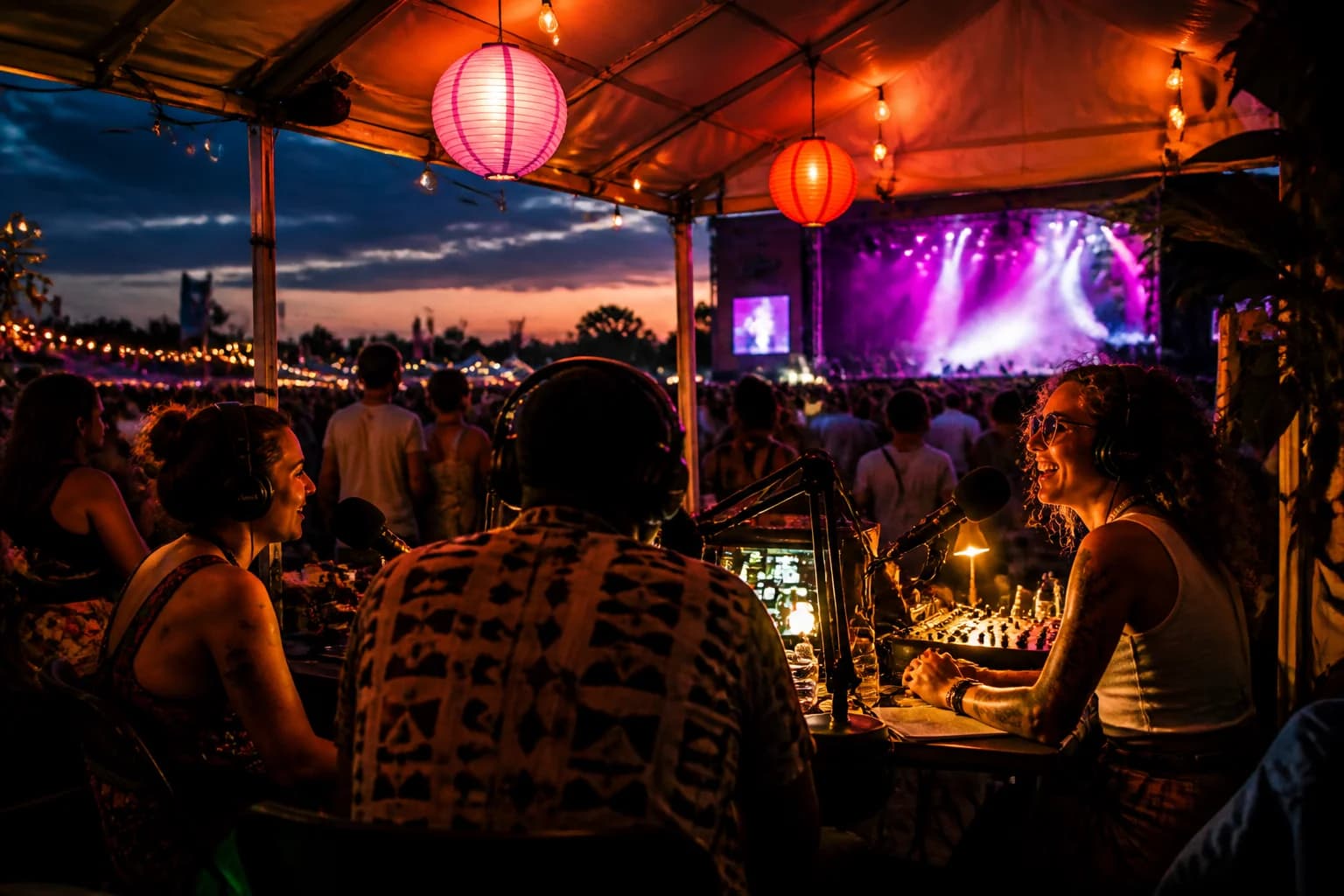
- Local relevance. A festival in your market is your story. Being on the ground, talking to the crowd, and covering the moment is exactly the local presence a streaming playlist can't replicate.
Summer is peak season for all of it — outdoor tours, hometown festivals, fair-season concerts. If your revenue plan for the quarter isn't leaning on live events, it's leaving money on the table. Pair this with the broader summer radio sales playbook and you've got a real Q3 engine.
Ticket-Giveaway Mechanics That Build Listening
A ticket giveaway is only as good as the mechanic behind it. Handing out tickets to caller nine is fine — but you can do a lot better with the same pair of tickets.
Structure the giveaway to build the behavior you want:
- Appointment windows. "Qualify at 7:10, 9:10, and 4:10 — grand-prize drawing Friday." Now every giveaway moment is a reason to be listening at a specific time, all week. Two tickets bought you five days of tune-in.
- The upgrade ladder. Don't just give away tickets — give away the experience. A VIP package (early entry, soundcheck access, a meet-and-greet, a hotel night) turns a nice prize into a can't-miss one. The bigger the story, the harder listeners work for it.
- Multi-platform entry. On-air to qualify, app or web to register, social to share. Each step deepens the relationship and grows your owned audience, not just your ratings for the hour.
- The "you and your crew" frame. Four tickets and a parking pass beats two tickets every time — because now the winner is the hero who takes their friends, and your station is the reason.
For more plug-and-play structures, the radio contest ideas library has mechanics you can adapt to any prize.
The On-Site Remote Playbook
Being at the event is where stations separate from the pack. But a good remote is a plan, not just a tent and a folding table.
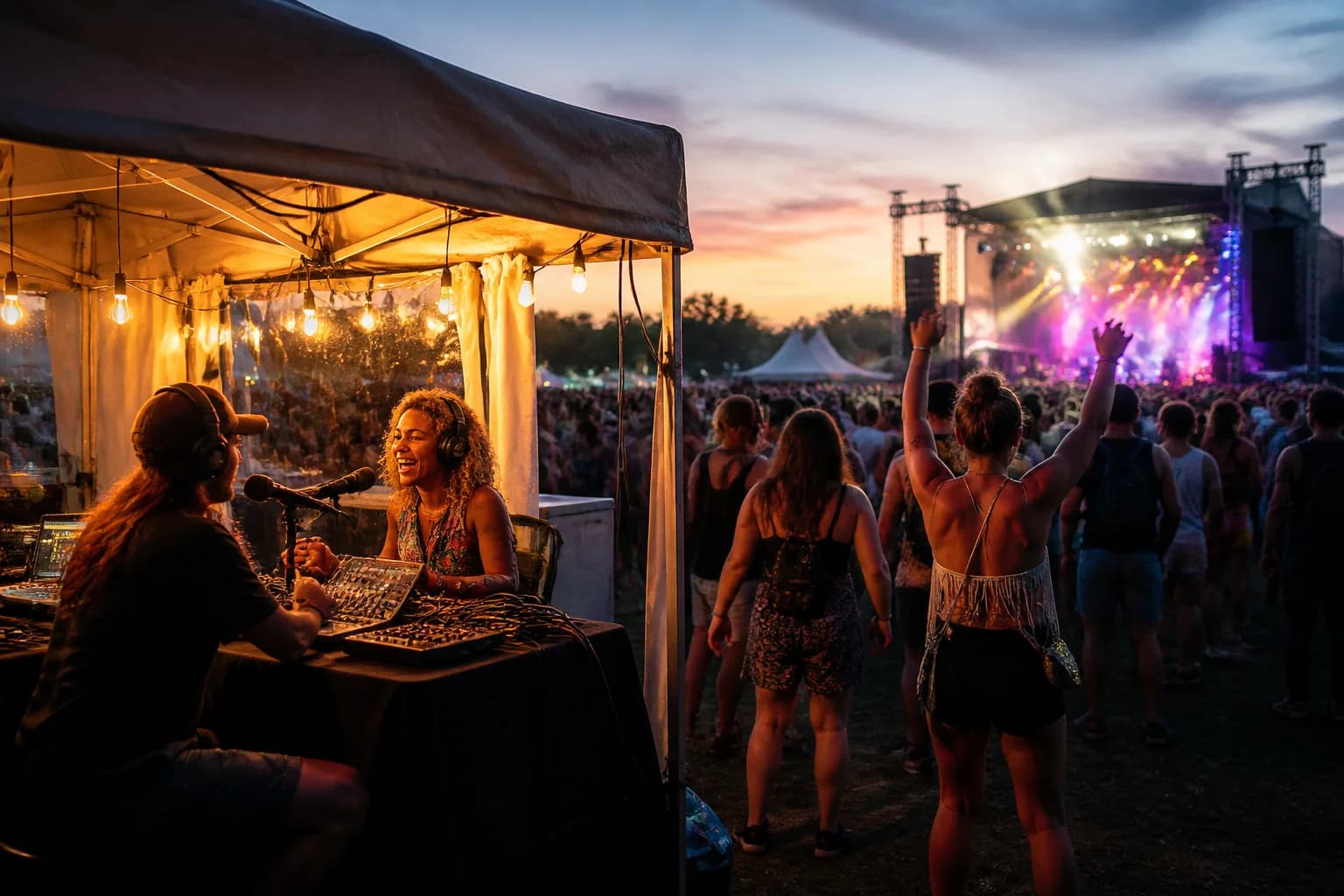
- Pick the moment, not just the venue. The gates-opening rush, the between-sets lull, the post-show exit — each is a different broadcast opportunity. Map your live hits to when the crowd is actually around your setup.
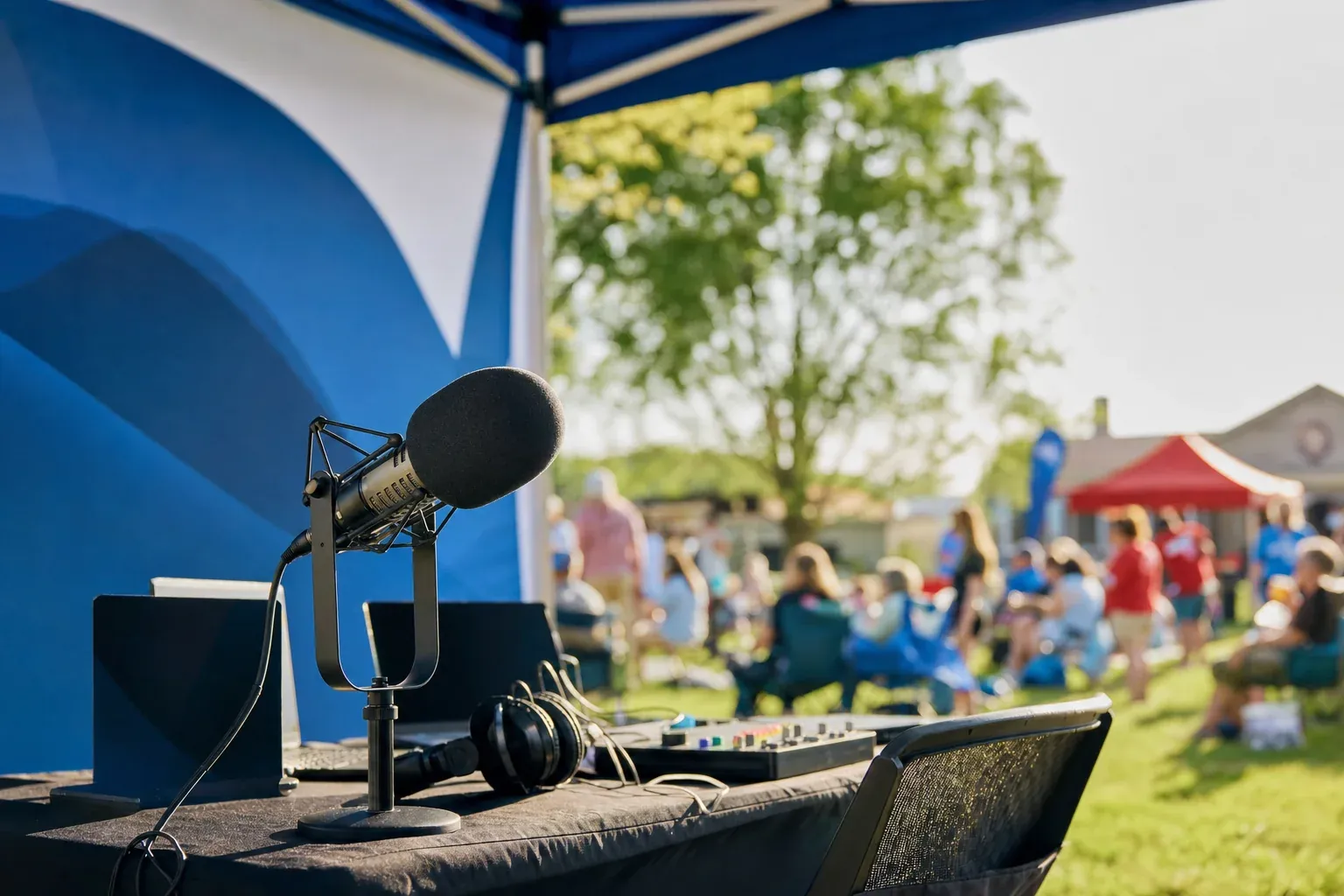
- Make it interactive. Crowd interviews, "why are you here" vox pops, on-site contests, a photo backdrop with your logo. Give people a reason to come to the station tent, not just walk past it.
- Capture for later. The remote is one day; the content is a week. Shoot clips, grab crowd audio, snap photos — then feed it back into your shows and socials for days afterward. Remote-day logistics and staffing are exactly what a remote radio workflow is built to smooth out.
- Own the after-party of coverage. Recap the show the next morning, replay the best crowd moments, run a "were you there" callback. The station that keeps the conversation alive after the lights go down is the one fans associate with the event.
You don't need presenting rights to do any of this. You need to be present, prepared, and genuinely part of the crowd's experience.
Artist & Label Tie-Ins
The acts and their labels want promotion in your market — which means there's a partnership to be had if you bring something to the table.
- Interviews and drops. A quick phoner or a recorded artist liner ("Hey, it's [artist], you're listening to…") is content gold and costs the artist five minutes. Labels will often set these up around a tour date.
- Exclusive content. An acoustic session, a backstage clip, a ticket-presale code for your listeners. Exclusivity is what makes your coverage feel like an insider's pass rather than a press release.
- Local-artist spotlights. Don't overlook the opening acts and hometown talent. Championing local musicians builds a different kind of loyalty and often costs nothing but airtime — and it's the coverage the big presenting station won't bother with.
Packaging the Sponsorship
Here's where concert coverage pays for itself. A live event is a bundle of sellable assets — package them and sell the whole thing.
A concert/festival sponsorship package can include:
- On-air mentions and the giveaway's presenting credit
- The station's on-site remote, branded tent, and live hits from the sponsor's activation
- Social coverage before, during, and after
- Ticket-giveaway sponsorship (the sponsor "sends you to the show")
- Post-event recap content carrying the sponsor's name
The buyers: beverage brands, restaurants and bars, local retail, auto dealers, and anyone chasing the young, out-and-about summer crowd. Sell it as one exclusive package rather than à la carte, and price it for the reach across on-air, on-site, and social. The radio promotion ideas and summer radio promotion ideas guides cover the packaging and pricing in more depth.
Format-by-Format Adaptations
- CHR / Top 40 — This is your season. Big-tour ticket giveaways, festival remotes, artist meet-and-greets. Go all-in; concert season is your brand.
- Country — Fair season and country festivals are gold. Lean into the community feel — the tailgate, the local acts, the family-friendly angle.
- Rock / Classic Hits — Amphitheater tours and legacy acts. The "we were there" nostalgia play and deep-cut knowledge your audience respects.
- AC / Hot AC — The date-night and girls'-night frame. "Win a night out" packages that bundle the show with dinner or a hotel.
- News / Talk — Cover the event as news — traffic, logistics, the local-economy angle — rather than the music. Sponsor-friendly and on-brand for the format.
FAQ
Do you have to be the official station to promote a concert?
No. The presenting sponsor gets its logo on the ticket, but any station can win the fans by giving away better prizes, running a smarter on-site remote, and keeping the conversation alive before and after the show. Presence and experience beat official status.
What's the best ticket-giveaway mechanic for building ratings?
Use appointment windows — qualify listeners at set times across the week with a grand-prize drawing at the end. That turns one pair of tickets into days of reason-to-listen. Layer in an upgrade to a VIP experience and multi-platform entry to deepen engagement and grow your owned audience.
How do you make money from concert coverage?
Package the live event as a sponsorship bundle: on-air mentions, the branded on-site remote, social coverage, ticket-giveaway presenting credit, and post-event recaps. Sell it exclusively to a beverage brand, restaurant, retailer, or auto dealer chasing the summer crowd, rather than selling the pieces separately.
What should a station capture at a festival remote?
Everything you can reuse — crowd interviews, vox pops, artist drops, photos, and best-moment audio. The remote is one day, but that content feeds your shows and social channels for a week, which is where a lot of the real value lives.
Key Takeaways
- You don't need presenting rights to own concert season — the station that wins the fans' experience beats the one that just bought the banner.
- Live events hit revenue, engagement, and local relevance at once — the rare promotion that sells and builds loyalty.
- Engineer the giveaway with appointment windows, a VIP upgrade ladder, and multi-platform entry so two tickets buy a week of listening.
- The remote is one day; the content is a week. Capture crowd audio, clips, and photos, then feed them back into shows and socials.
- Package the sponsorship — on-air, on-site, and social as one exclusive bundle — and sell it to the brands chasing the summer crowd.
Summer live events are the loudest, most sellable content on the calendar — and the station that shows up prepared owns the season regardless of whose logo is on the ticket. If you'd rather have the giveaway copy, remote host notes, and format-ready segments handled, work with Ava — Radio Content Pro keeps your team stocked with promotion-ready content so they can focus on the crowd in front of them. Start a free trial and have your concert season mapped before the next tour rolls into town.
— Ava
Ready to simplify your show prep?
Try RCP free for 7 days. $0 until day 8