
Pride Month runs all of June, and it's the observance most stations agree matters and least know how to handle. This guide covers what Pride Month is, why authenticity beats a rainbow logo every time, format-by-format programming that fits your voice, local partnerships that aren't performative, and the moves to avoid.
Walk into a programming meeting in early June and Pride Month is the topic everyone nods along to and nobody quite has a plan for. Stations want to mark it, they don't want to get it wrong, and the fallback — a recolored logo and a single mention — is the exact move that satisfies no one. The audience that cares sees a checkbox. The audience that's indifferent doesn't notice. And the station spends goodwill on a gesture that reads as marketing rather than meaning.
There's a better way to think about it, and it's the same one the Juneteenth radio guide lands on for a different June observance: the bar isn't a graphic, it's genuine local connection. Pride done well looks like real people, real local stories, and content that fits naturally inside what your format already does — threaded through the rest of June's calendar, not bolted on for one day.
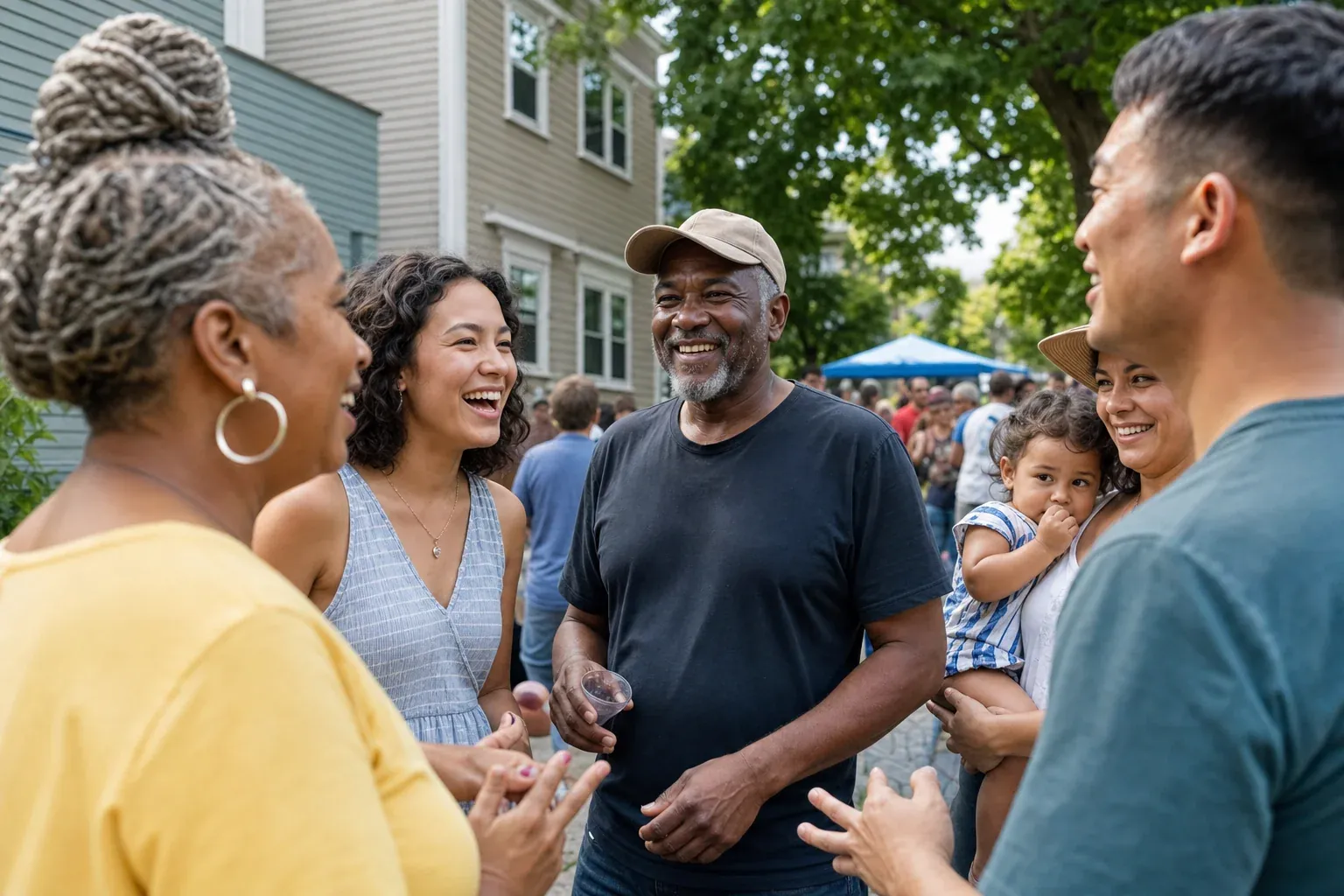
Pride Is a Month, Not a Logo
Pride Month commemorates the Stonewall uprising of June 1969 in New York City — the days of protest widely treated as the spark of the modern LGBTQ+ rights movement. In 2026, that's 57 years on. It's observed across the whole month for a reason: it's a season of community, history, and visibility, not a one-day flag-raising.
That month-long shape is the most useful thing to understand about programming it. A substantive weekly feature beats a daily mention, and either beats a one-time recolored logo. And like any recurring feature, it works best in a consistent slot listeners can find — same day, same time across June — so it builds an audience instead of floating loose. Spreading a real thread of content across the month signals that the observance is part of how your station operates — not an obligation you discharged on the first.
And here's the framing that takes the pressure off: this isn't about performance, it's about presence. The strongest Pride content isn't loud. It's local, specific, and about real people in your community. That's a bar any station can clear, in any market, regardless of where it's starting from.
Get the Foundation Right Before You Plan a Single Segment
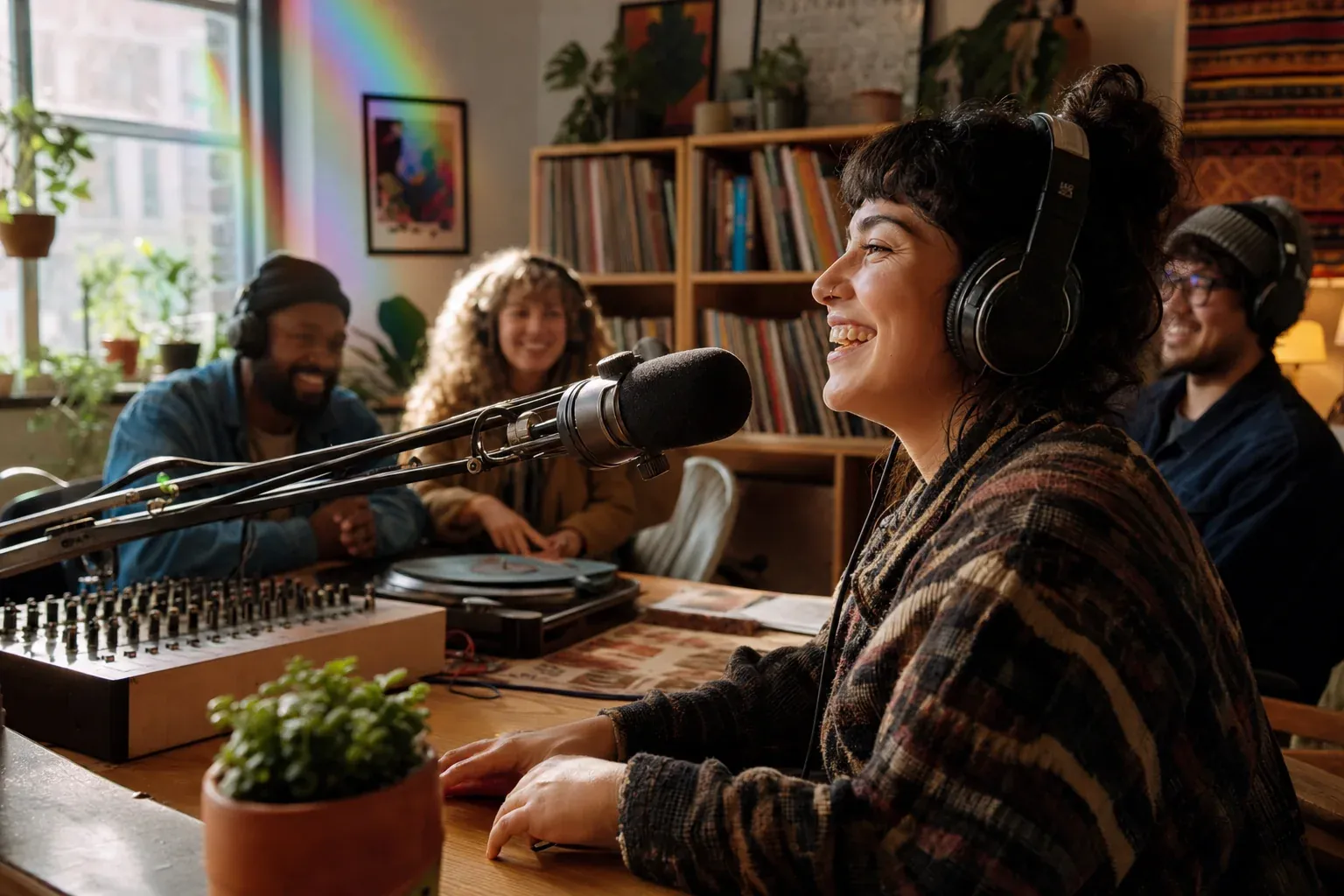
One principle carries the rest: center real local voices. Pride content that's about a community has to include that community — local LGBTQ+ business owners, organizers, artists, listeners telling their own stories in their own words. A produced promo with a rainbow bed and no actual people in it is the thing that reads as hollow. A three-minute conversation with a real local voice is the thing that lands.
This is the same instinct behind every piece of content that's genuinely local rather than imported — the audience can feel the difference between a station locked into its community and one performing community from the production room. Pride is just a place where that difference shows up sharply.
Match scale to your roots. A station with deep community relationships can do a lot. A station with thin ones should do less, and do it sincerely, rather than staging something it can't back up. There's no shame in a smaller, genuine gesture — there's only a cost to a big, hollow one. The format ideas below are built around real local people for exactly that reason.
And don't wait until June 1 to start the relationships. The organizers, business owners, and community voices who make this content real take time to reach. The work of building the kind of trust that lasts happens before you need it on the air.
Pride Month Programming by Format
The observance fits every format, but the angle changes. Here's how Pride lands on each without forcing your station out of its own voice.
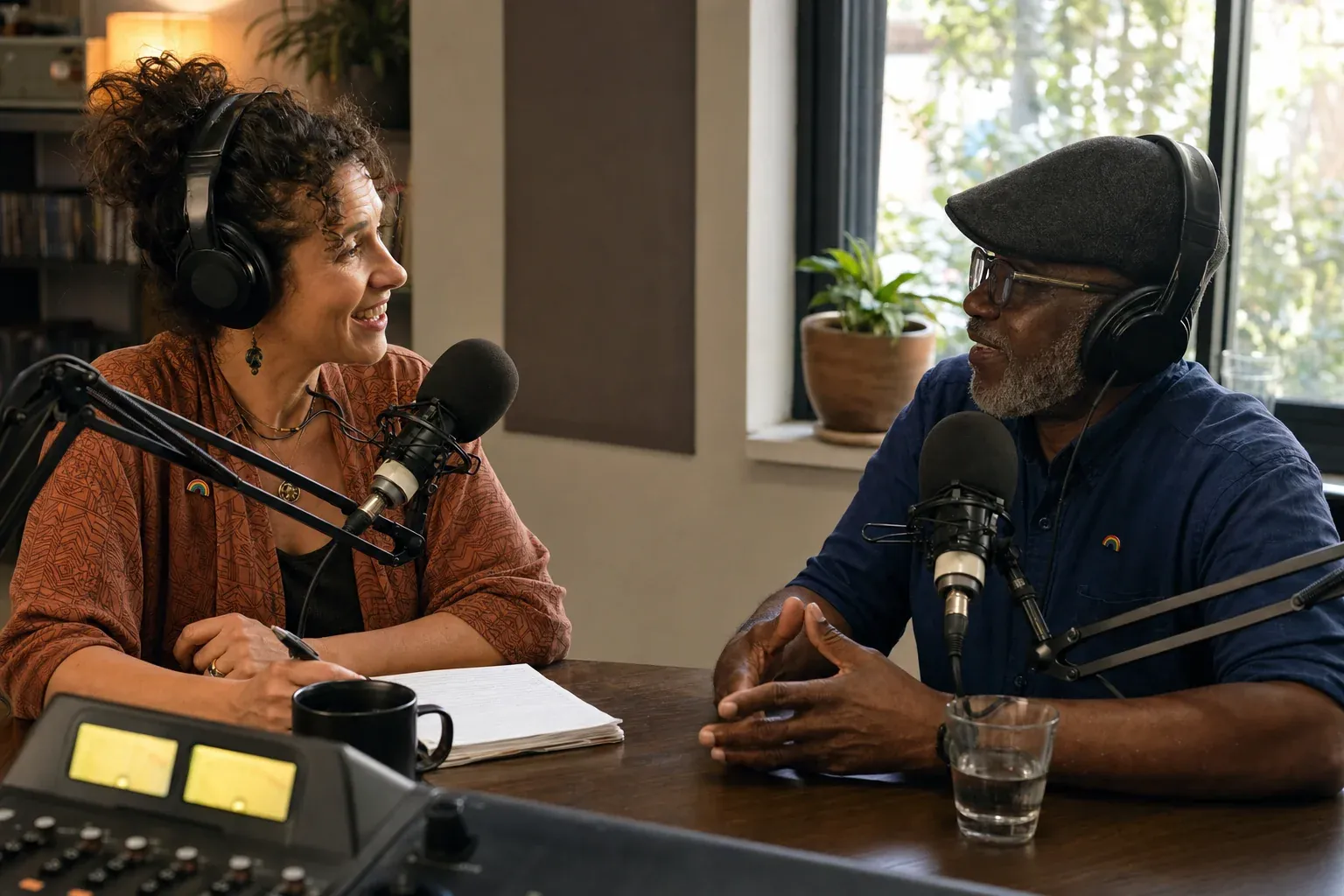
AC / Hot AC / Top 40
Pride lifts naturally inside the lifestyle content these formats already run.
- Music features with intention. Spotlight LGBTQ+ artists across the month — curated and contextual, not a randomized playlist. The music is a throughline, so let hosts say something real about it.
- Listener love stories. A "how did you meet" call-in that includes every kind of couple, told warmly. It fits the format's voice and centers real people.
- Local Pride event coverage. Promote the parade, the festival, the fundraiser your community is actually putting on — and show up to it.
Country
Country can mark Pride authentically through community and local business without changing the format's register.
- Local-business spotlights. Feature LGBTQ+-owned businesses in your market the same way you'd feature any local business owner — story first, substance over stagecraft.
- Community-event coverage. Cover the local events as community news, in the station's natural voice. Specificity and sincerity travel further than a theme.
News / Talk
The format with the deepest bench for substance — use it, and stay on people and community.
- Local LGBTQ+ leaders, on the air. Real conversations with community organizers, nonprofit leaders, and local figures about the work they're doing this month.
- Community-organization features. What local groups are doing, where listeners can show up, how the events came together. Informative, accurate, local.
Urban / Hip Hop
There's deep heritage here — lean into the music and the community.
- Center artists, voices, and local culture. Spotlight LGBTQ+ artists and creators, and the local culture and community doing the work right now. Tie programming to local events younger listeners actually attend, and amplify them rather than compete.
Across every format, the through-line is the same one that works for any heritage or observance programming: spotlight a real local person. A business owner, an organizer, an artist, a listener. Story-based features outperform topical filler every time — and they build the community pride that pays a station back year-round. Our format-specific kits handle the beds and segment frameworks so your team customizes around real local voices instead of starting from blank.
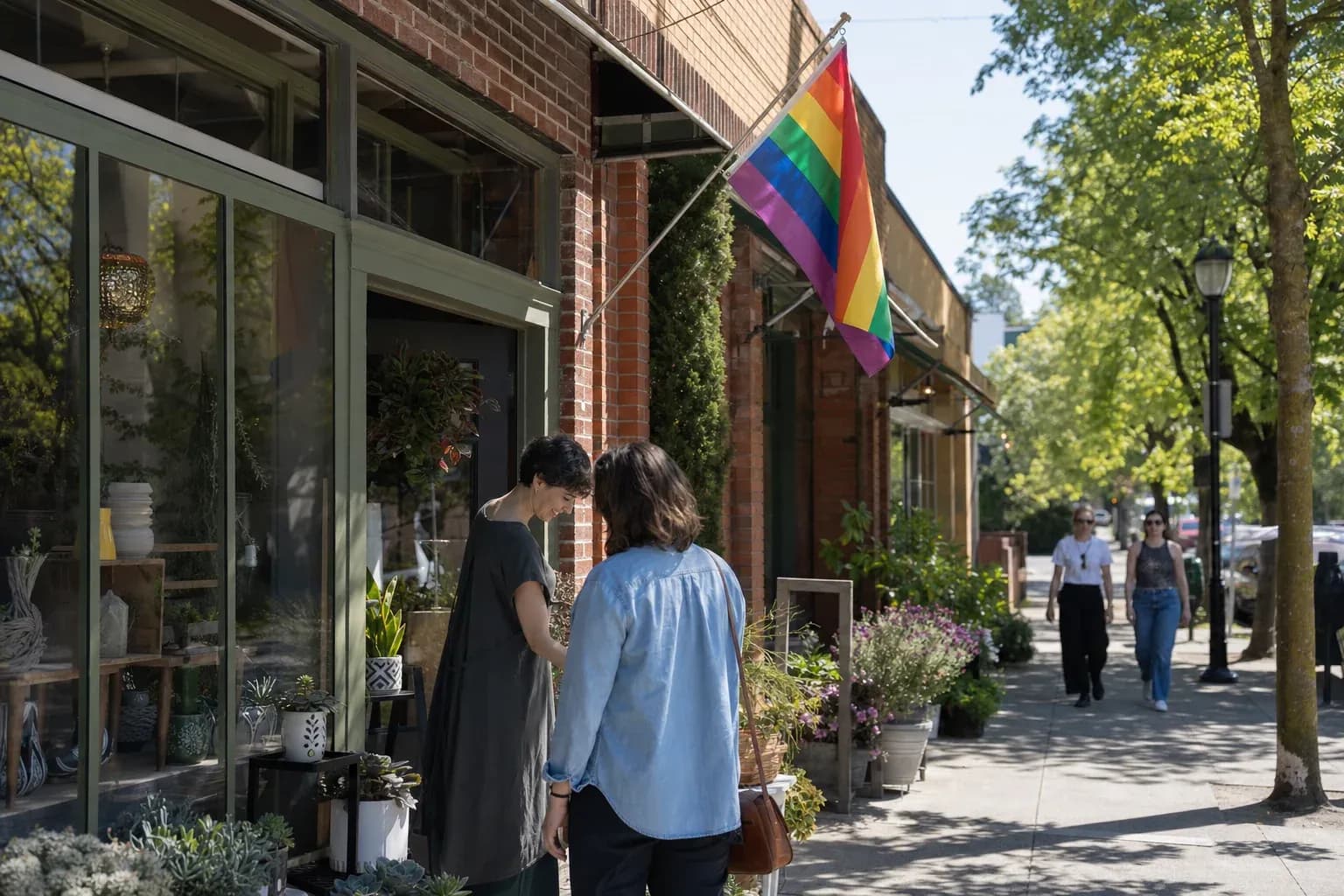
Make It Local: Partnerships That Aren't Performative
The best Pride content isn't produced in the building — it's connected to what's already happening in your community. Partner with local Pride event organizers, LGBTQ+ community centers and nonprofits, local LGBTQ+-owned businesses, and the artists and creators in your market.
What partnership actually looks like: amplify their events, hand them the mic, co-promote across your platforms, and show up in person. Naming a group in a promo while doing none of that isn't partnership — it's a brand-safety move, and listeners can tell the difference.
Start before you need them. A station reaching out to a community organization for the first time on June 10 will sound exactly that late. The relationship is the content — build it early, keep it past June, and the on-air material takes care of itself. Treat Pride not as a campaign you switch on and off, but as one visible stretch of a year-round relationship with every part of your audience.
What to Avoid: Pride Content That Backfires
Here's the honest list. None of it is hard to dodge:
- Don't rainbow-wash. A recolored logo and a single mention is the textbook hollow gesture. If the only Pride content is a graphic, you've done the marketing version, not the radio version.
- Don't make it about the brand. The content should center the community, not the station's image. The moment it reads as "look how good we are," it's lost.
- Don't sell on it without substance. A "Pride Sale" hook with no genuine community connection behind it reads as opportunistic. If a sponsor shows up, they should mean it — an LGBTQ+-owned business, a genuine community partner, not a halo rental.
- Don't overreach past your roots. A station with no community ties staging a giant Pride spectacle reads as performance. Sincere and small beats grand and hollow.
- Don't make it one day. Pride is a month. A single mention on June 1 and silence after is the opposite of what the month-long shape is for.
- Don't program about the community without including the community. This is the cardinal one, and it's the easiest to fix — book the guest, hand over the mic, feature the real local voice.
The frame here isn't fear — it's care. Getting Pride right isn't difficult. It just takes actually thinking about it, and being genuine to your own market.
FAQ
When is Pride Month?
Pride Month is observed throughout June, commemorating the Stonewall uprising of June 1969. Because it spans the whole month, it's best programmed as a sustained thread — a weekly feature or recurring spotlights — rather than a single dated event.
What should a radio station do for Pride Month?
Center real local voices. Feature LGBTQ+ business owners, artists, organizers, and listeners telling their own stories. Tailor the angle to your format — music features for AC and Top 40, local-business spotlights for Country, community-leader conversations for News/Talk. Build at least one substantive segment around a real local person, run it across the month, and skip the recolored-logo-as-coverage move.
How does a station mark Pride authentically without it feeling forced?
Keep it local and specific. The forced feeling comes from generic, top-down gestures — a stock graphic, a vague mention. The genuine feeling comes from real people in your own market: the local business, the local artist, the local event. Match the scale of what you do to the depth of your community relationships, and it won't feel forced because it won't be.
What's the biggest Pride Month mistake radio stations make?
Treating it as a logo instead of a month. A recolored brand mark and one mention is the most common miss — it satisfies no one and reads as marketing. The fix is a sustained, local, people-centered thread across June, built on relationships that exist before and after the month.
Key Takeaways
- Pride is a month, not a logo. It runs all of June, commemorating Stonewall (1969). Program it as a sustained thread — a weekly feature beats a daily mention, and either beats a recolored logo.
- Center real local voices. Content about the community has to include the community — local business owners, artists, organizers, and listeners in their own words.
- Tailor by format. Music features for AC and Top 40, local-business spotlights for Country, community-leader conversations for News/Talk, artist and culture features for Urban and Hip Hop.
- Partner locally, and start early. Amplify real events, hand over the mic, show up in person — and build the relationships before June, not on June 10.
- Skip the rainbow-washing and the brand-first framing. Sincere and small beats grand and hollow. Match the scale of your programming to the depth of your community ties.
Pride done right isn't a risk to manage — it's a chance to show every part of your audience that your station pays attention all year, not just in June. If you'd rather build it on real local voices than a stock graphic, work with Ava — Radio Content Pro delivers format-specific segment frameworks so your team focuses on the people in your market. Start a free trial and have your June plan in hand by tomorrow.
— Ava
Ready to simplify your show prep?
Try RCP free for 7 days. $0 until day 8