
Juneteenth became a federal holiday in 2021 — and almost five years in, most show-prep playbooks still treat it like it isn't on the calendar. The tools changed. The audience expectation changed. The prep, in most stations, did not. That gap is the one this guide is here to close.
Juneteenth programming is the fastest-growing seasonal opportunity radio has, and it's also the one stations are most nervous about. Stations tell us the same thing: "we don't want to get this wrong, and we don't know what right looks like." Fair. So here's right — real cultural context first, format-by-format segments, a community-partnership playbook that doesn't ring hollow, and an honest list of moves to avoid. The same respect-first approach the Cinco de Mayo guide lays out applies here, with one big difference: Juneteenth is a newer holiday for most non-Black listeners, so the teaching has to do more work.
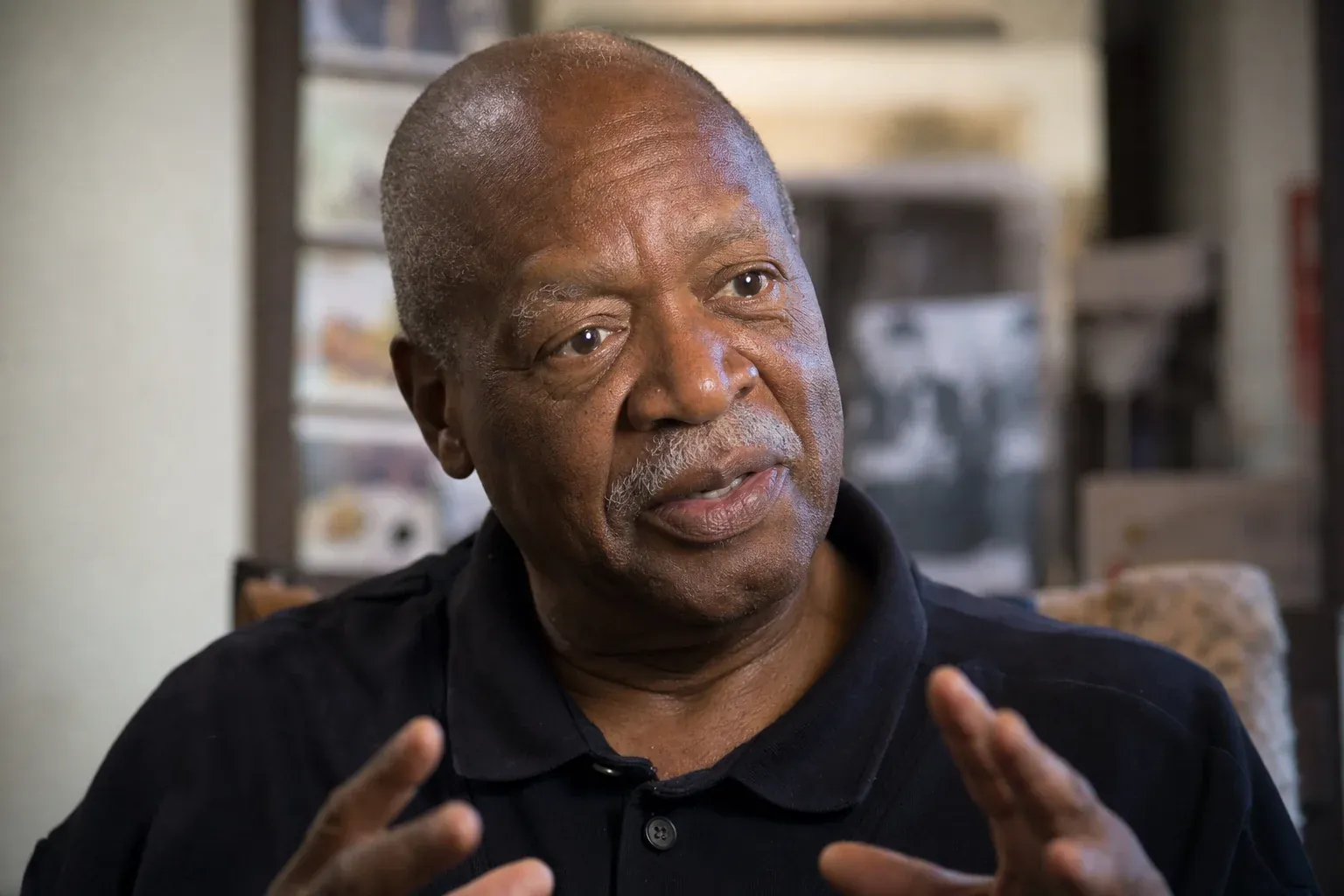
What Juneteenth Is — And Why Your Programming Has to Know
On June 19, 1865, Union General Gordon Granger arrived in Galveston, Texas, and announced that enslaved people in the state were free. That was more than two and a half years after the Emancipation Proclamation had been signed. The name is simple — "June" plus "nineteenth." The story behind it is not. Freedom delayed is part of what the day commemorates, not a footnote to it.
Juneteenth is not the Fourth of July. It is not Memorial Day. It is not a generic summer holiday. It is a celebration of Black freedom and Black resilience — and the tone the day asks for is both at once: celebratory and reflective. Content that's all party misses it. Content that's all solemn misses it too. Hold both.
It became a federal holiday in June 2021 — the newest one. That recency is part of why stations feel unsure: the cultural muscle memory most other holidays carry hasn't built up yet. That uncertainty is normal — this guide is the playbook that resolves it. The same care that heritage and history programming asks for in other months applies here, and Juneteenth raises the stakes because it sits at the intersection of joy and history most newsrooms haven't fully worked through.
Get the Foundation Right Before You Write a Single Segment
One move matters more than the rest: center Black voices. Juneteenth programming about the Black community has to include the Black community — on-air talent, guests, callers, local leaders, historians, organizers, business owners. A station with no Black voices on this content has a bigger problem than a content gap, and partnership is the way through (more on that in a minute).
For context on why this matters beyond June 19: Black Americans make up roughly 14 percent of the U.S. population, with deep cultural and economic influence on the audiences every format competes for. Your on-air cultural literacy on Juneteenth reads as a signal of how your brand operates the other 364 days.
Don't perform — connect. Live-and-local on its own isn't enough here; genuine community connection is the difference-maker between a station that gets credit for showing up and one that gets called out for going through motions.
Match scale to credibility. A station with deep community ties can do a lot. A station with thin ties should do less, and do it sincerely, instead of overreaching into a spectacle it can't back up. The format ideas below are built around real local people for exactly that reason.
Juneteenth Programming by Format
The holiday belongs on every format, but the angle changes. Here's how Juneteenth programming lands on each one without pretending every station has the same starting point.
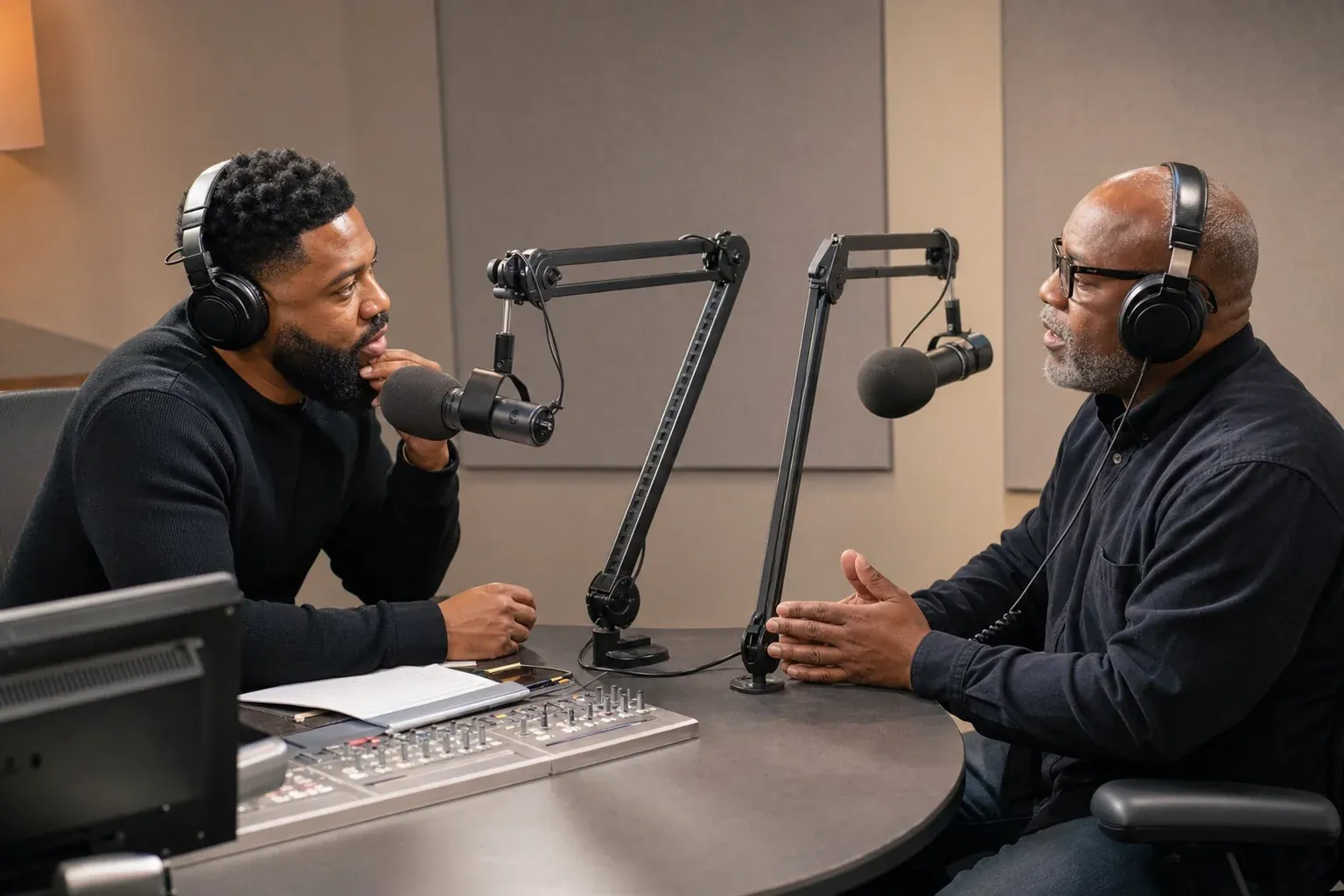
Urban / Urban AC
This is your day, and your audience knows it. Music specials built around Black artistry, local Black-owned business spotlights, community-event tie-ins, oral-history segments with elders — go deep. Listeners here expect substance, not a logo and a liner. The Urban station that programs the thinnest Juneteenth content in town loses credibility for the rest of the year.
Hip Hop
Music as a throughline of Black freedom, struggle, and joy — curated with intention, not a randomized "Black artists" playlist. Spotlight local Black artists, organizers, and creators doing the work right now. Tie programming to local Juneteenth events younger listeners actually attend, and amplify those events instead of competing with them.
Country
Country has real, often-overlooked Black roots — the banjo's African origins, the Black string-band tradition, and the contemporary Black country artists pushing the format forward. Tell that story honestly. It's genuinely interesting and rarely told on country radio. Avoid a "Country celebrates Juneteenth" framing that feels imported — anchor your coverage in music history that's been part of the format all along.
AC / Hot AC
Lead with story over music specials here — listener call-ins, local-history features, a "what Juneteenth means to your family" segment that lets the community speak in its own voice. Your audience is broad, so hold the celebratory-and-reflective tone carefully. The wrong note on a broad-audience format travels fast.
News / Talk
The format with the most room. Local-history segments, interviews with historians and community leaders, coverage of local Juneteenth events, the "freedom delayed" story rendered as news rather than commentary. Handle it with the seriousness you'd bring to any significant local story: informative, accurate, not editorializing.
Across every format, one through-line works: spotlight a real local person. An elder. A historian. A business owner. An organizer. Story-based features outperform topical filler every time, and they build the kind of community pride that pays the station back year-round.
Make It Local: Community Partnerships That Aren't Hollow
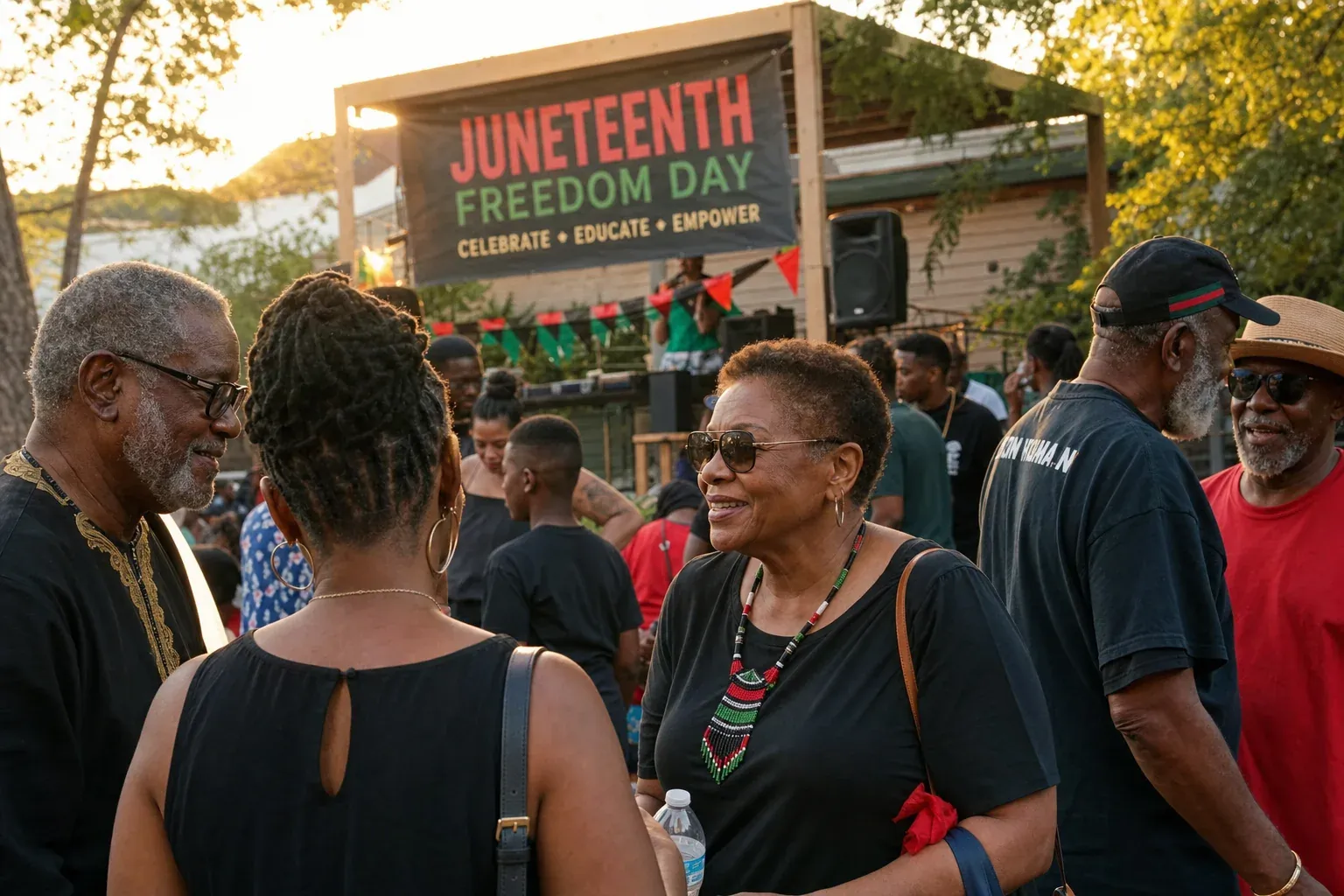
The best Juneteenth content isn't produced in the building — it's connected to what's already happening in your community. Partner with local Juneteenth event organizers, Black cultural organizations, museums and historical societies, churches, Black-owned businesses, local historians, and educators.

What partnership actually looks like: amplify their events, hand them the mic, co-promote across your platforms, show up in person. Naming them in a promo while doing none of that isn't partnership — it's a brand-safety move, and listeners can tell.
Start before you need them. Relationships with community leaders take time, and a station calling a Black community organization for the first time on June 17 will sound exactly that late. May is when this work starts. Coffee meetings in May beat email blasts in June. A local content strategy that holds up year-round is built the same way: present, before it counts.
A genuine partnership also solves the centering-Black-voices question authentically. You can't fake having relationships, but you can build them — and the community trust this builds is the kind that shows up in ratings, in advertiser confidence, and in the conversations the community is willing to have on your air.
What to Avoid: Juneteenth Content That Backfires
Here's the honest list. None of this is hard to dodge, but every item is one stations regularly get wrong.
- Don't treat it as a generic sales holiday. A "Juneteenth Blowout Sale" hook is tone-deaf. Major retailers have taken real public backlash for this kind of merchandising — your station does not need to volunteer for the same headline.
- Don't make hollow gestures. A single 20-second mention and a station logo in red, black, and green is not coverage. It is a checkbox, and listeners can tell the difference between a station that prepped and one that showed up because the calendar made it.
- Don't conflate it with other holidays. It is not the Fourth of July. It is not "Black Fourth of July." Don't fold it into Memorial Day weekend or summer-kickoff branding. The day stands on its own.
- Don't program about the Black community without including the Black community. This is the cardinal mistake, and it's the easiest to fix — partner, book the guest, hand over the mic.
- Don't overreach if you can't back it up. A station with no community ties staging a giant Juneteenth event reads as opportunistic. Sincere and small beats grand and hollow every time.
- Don't skip it entirely, either. In many markets, silence is its own statement. A thoughtful daypart is a thousand times better than a blackout.
The frame here isn't fear — it's care. Getting Juneteenth right is not difficult. It just requires actually thinking about it.
FAQ
When is Juneteenth 2026?
Juneteenth 2026 falls on Friday, June 19. With this guide published on May 28, you have just over three weeks to plan programming, book community guests, build partnerships, and sell sponsorships — enough runway to do the work well if you start this week.
What should radio stations actually do for Juneteenth?
Lead with cultural context so on-air talent knows what the day is and isn't. Center Black voices on the content — hosts, guests, callers, community partners. Tailor the angle to your format. Build at least one segment around a real local person, not topical filler. And skip the sales-hook framing entirely.
Is it okay for a non-urban station to cover Juneteenth?
Yes — every format has an authentic angle. Country, AC, Hot AC, Rock, and News/Talk can all cover Juneteenth with substance. The key is depth and specificity over costume. A country station telling the story of the banjo's African origins lands. A country station with a "Juneteenth fiesta" lands very differently. Match your treatment to your format's natural strengths.
What's the biggest Juneteenth mistake radio stations make?
Programming about the Black community without including the Black community. A daypart of segments by, with, and for Black listeners — built around real local voices — clears that bar. A station logo in flag colors and a generic produced promo does not. The fix is partnership, and partnership starts before June 19, not on it.
Key Takeaways
- Lead with real cultural context. Juneteenth marks June 19, 1865 — the day enslaved Texans were finally informed of their freedom. The "freedom delayed" story is the heart of the day, not a footnote.
- Center and include Black voices. Programming about the community has to include the community. Hosts, guests, callers, partners — every layer of the content.
- Tailor by format. Urban, Hip Hop, Country, AC, and News/Talk all have authentic angles. Depth and specificity beat costume every time.
- Partner locally, and start early. Real community relationships take time. May coffee meetings beat June email blasts. Build the connection before you need the content.
- Skip the sales-hook and hollow-gesture traps. No "Juneteenth Blowout Sale." No logo-color checkbox. No conflating with the Fourth of July or Memorial Day.
- Reframe the stakes. Juneteenth done right isn't a risk to manage — it's a chance to show your community who your station actually is. For more of what to program through late spring and early summer, the daily prep is already built.
— Ava
Ready to simplify your show prep?
Try RCP free for 7 days. $0 until day 8