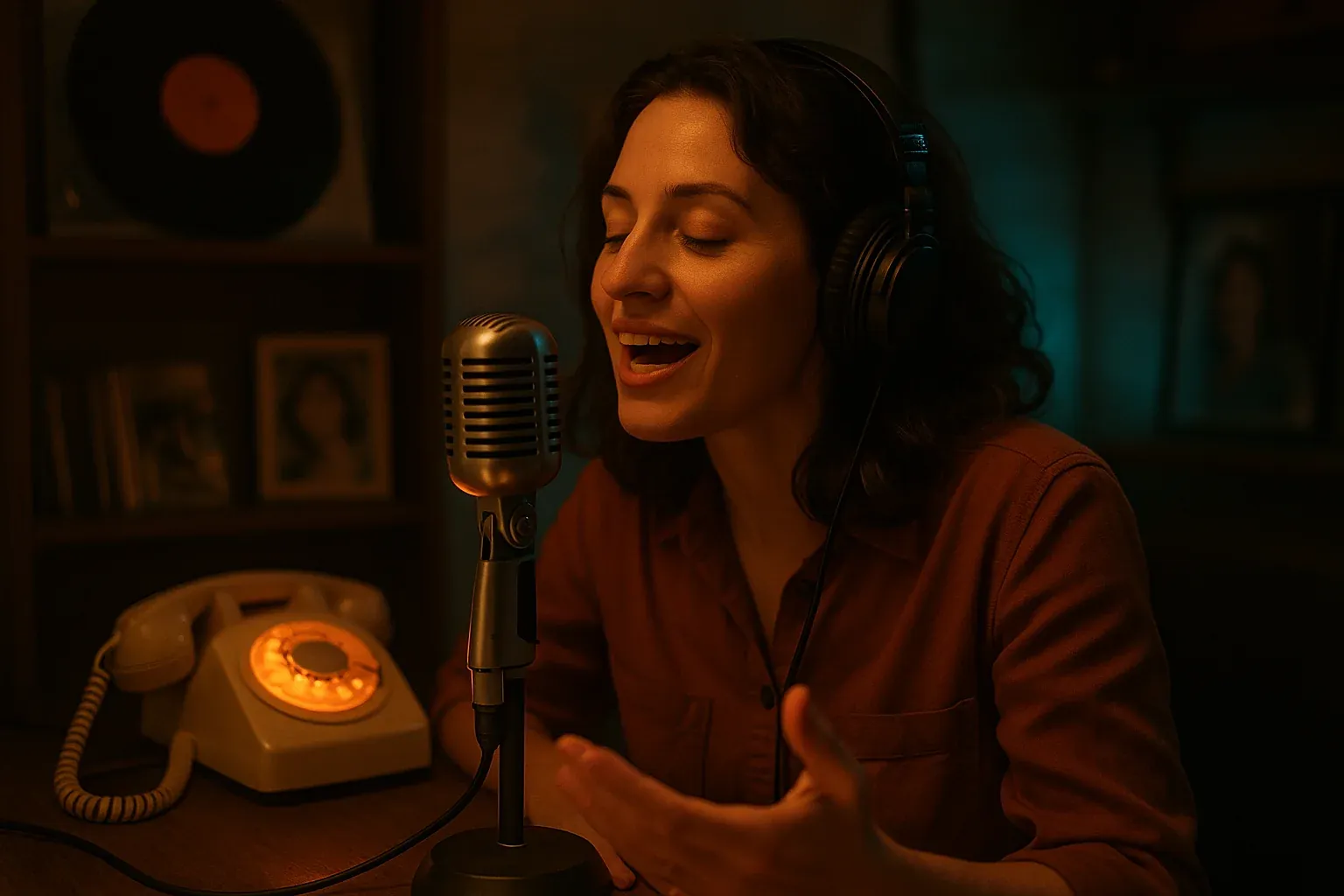

Spotify has over 100 million songs. Apple Music's algorithm knows your taste better than your best friend. And yet — 88% of Americans still tune into terrestrial radio every single week.
Not because radio plays better songs. It doesn't. Not because the audio quality is superior. It's not. And definitely not because listeners enjoy commercial breaks.
So why do they keep coming back?
One word: connection.
The voice that makes them laugh during the morning commute. The host who mentioned their neighborhood by name. The DJ they've listened to for eight years and have never actually met — but somehow feels like a friend.
That's the thing algorithms can't manufacture. And it's the reason listener retention has less to do with what you play and everything to do with who's behind the mic.
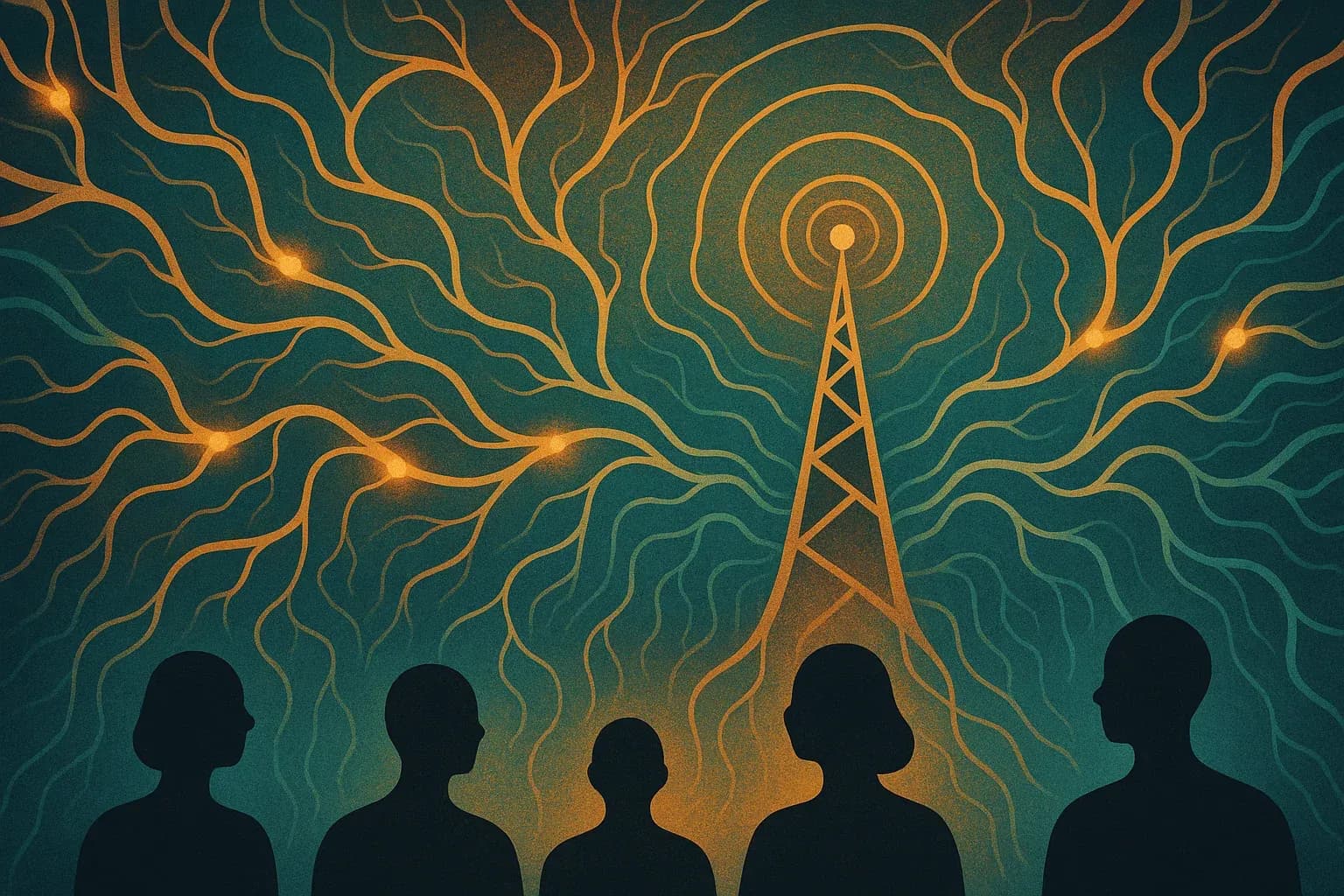
The Loyalty Paradox: Why Radio Wins Against Infinite Choice
Here's a question worth sitting with: why would anyone choose a medium with limited selection, commercial interruptions, and zero on-demand control over one that offers literally everything, on demand, for free or cheap?
The streaming platforms have solved curation. They've perfected the algorithm. They can predict what you want to hear before you know you want to hear it.
And listeners still choose radio.
The answer isn't complicated, but it's easy to miss if you're focused on the wrong things. Streaming gives you perfect songs. Radio gives you a person. And people are wired to choose people.
Edison Research data backs this up: 69% of ad-supported audio time still goes to broadcast radio — not podcasts, not Spotify's free tier, not YouTube. Radio. That's not habit or inertia. That's preference. Listeners actively choose the medium that comes with a human voice attached.
The paradox dissolves once you stop thinking about radio as a music delivery service and start thinking about it as a relationship platform. Curation is table stakes. Connection is the moat.
What Parasocial Relationships Actually Are (And Why They Matter)
There's a term from psychology that explains exactly what's happening between radio hosts and their audiences: parasocial relationships. Coined back in 1956, the concept describes one-sided bonds where a listener feels genuine emotional connection to a media personality — even though that personality doesn't know they exist.
Sounds clinical. But the neuroscience behind it isn't.
When listeners hear a familiar radio voice, their social brain regions activate the same way they would during a real conversation with a friend. The brain doesn't fully distinguish between the host talking to them through speakers and a buddy talking to them across a table. That's not metaphor. That's fMRI data.
The result? Radio professionals report that half of all listeners have a favorite personality they've been listening to for an average of eight years. 52% say that personality feels like a friend or family member. 90% say their favorite host makes them laugh regularly.
These aren't casual preferences. They're bonds. And bonds don't break because a competitor added a new playlist feature.
This is what makes radio fundamentally different from streaming. Spotify can learn your music taste. It can't make you feel like someone knows you. A curated playlist doesn't ask how your weekend was. It doesn't crack a joke about the local traffic mess on I-95 this morning. It doesn't remember that you called in last Tuesday.
Radio does. And that's why listeners stay.
The Numbers That Prove Personality Drives Loyalty
If the science feels abstract, the business data is concrete.
64% of listeners say they'd follow their favorite DJ to another station. Read that again. Nearly two-thirds of your audience isn't loyal to your frequency, your format, or your playlist. They're loyal to a person. That's an extraordinary number — and it should terrify any programmer who thinks the music log is doing the heavy lifting.
60% of consumers cite DJs and hosts as the main reason they listen to AM/FM radio. Not music. Not convenience. Not habit. The personality. That stat has flipped in the last decade — hosts now outrank music as the primary draw.
Here's where it gets even more interesting:
- 83% of listeners trust their favorite personality's opinions — higher than most media figures
- 77% would try a brand their favorite host recommends — that's word-of-mouth-level influence
- 52% say their daily routine wouldn't be the same without their favorite AM/FM show
What do these numbers tell you? Curation without personality is a commodity. Any station can play the right songs. Any service can build a decent playlist. But a personality that listeners trust, laugh with, and organize their mornings around? That's a competitive advantage you can't replicate with an algorithm.
Why Curation Alone Isn't Enough
None of this means curation doesn't matter. It does. Great content — fresh stories, smart angles, relevant topics — gives personalities something worth talking about. Curation is the fuel. But without a driver behind the wheel, it's just sitting in the tank.
The stations that struggle with loyalty tend to treat content as the product. They invest in better playlists, more sophisticated scheduling software, tighter rotations. All good things. But they miss the multiplier: a human being who makes that content feel like it was chosen specifically for you.
Think about the difference between hearing a great song on Spotify's Discover Weekly and hearing that same song introduced by a host who says, "This one reminds me of something — stay with me and I'll tell you why after the break." Same song. Completely different experience. One is consumption. The other is engagement.
Streaming algorithms are technically superior curators. They have more data, more processing power, and zero human bias. But they also have zero personality. And personality is what transforms a passive listener into a loyal one.
The real risk isn't that your curation is worse than Spotify's. It's that your curation sounds like everyone else's — and there's no voice attached to make it distinctive.
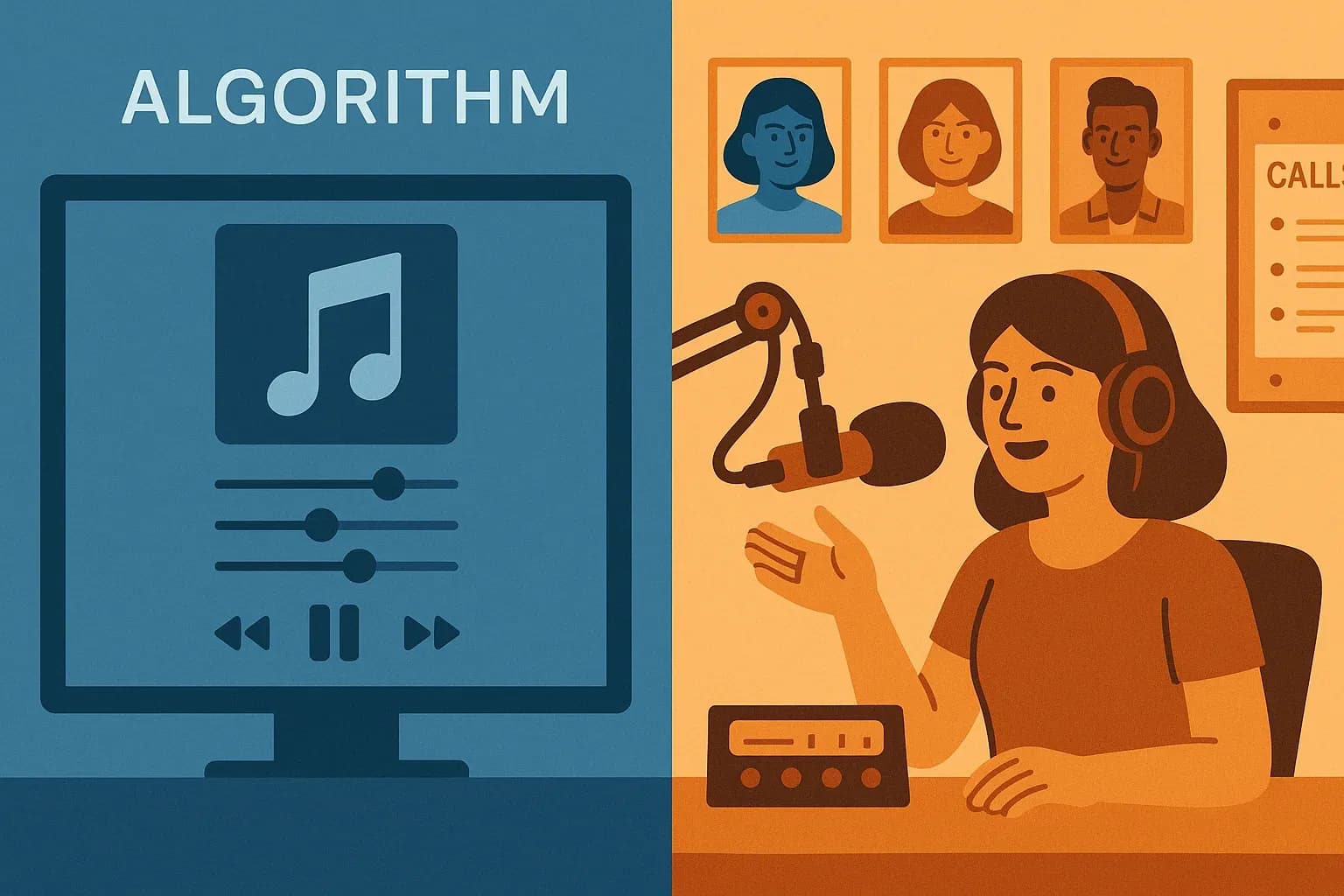
How to Build Connection That Drives Loyalty
So if connection beats curation, how do you build it? The stations we've seen grow audience consistently in the last two years share a few common traits.
Talk to one person, not an audience. The best radio personalities sound like they're having a conversation with you — not broadcasting to thousands. Direct address creates intimacy. "You know what I noticed this morning?" hits different than "Good morning, everyone." That shift in framing activates the parasocial bond. It makes listeners feel seen.
Be specific, not generic. Reference the local taco truck that just opened on 5th Street. Mention the weather from this morning, not "the forecast." Talk about what happened at the high school football game Friday night. Specificity signals authenticity. Generic content signals you could be anywhere — and listeners want to feel like you're right here.
Show up consistently. Parasocial relationships strengthen through repetition. The host who's there every morning at the same time, with the same energy, building on yesterday's conversation — that's how bonds form. Appointment listening is habit formation, and habits compound into loyalty. Build features at predictable times and watch your quarter-hours grow.
Extend the relationship off-air. Connection doesn't stop when the mic turns off. Social media, station events, community involvement — these are extensions of the on-air relationship. Nine out of ten radio listeners know personal details about their favorite personalities and follow them on social media. Use those channels to deepen what you've built on air.
Let your personality breathe. This is where content tools become force multipliers. When you're not spending three hours hunting for show prep material, you have time to develop bits, prepare stories, and actually think about what you want to say. The best content systems don't replace personality — they free it up. Automate the curation. Invest the saved time in connection.
Key Takeaways
- Listeners choose radio for people, not playlists — 60% cite hosts as their #1 reason for tuning in
- Parasocial bonds are neurologically real — the brain treats a familiar radio voice like a real friend
- 64% would follow their DJ to another station — loyalty belongs to the personality, not the frequency
- Curation is necessary but insufficient — great content without a distinctive voice is a commodity
- Connection compounds over time — half of listeners have followed their favorite host for 8+ years
- Specificity, consistency, and direct address build the bonds that algorithms can't replicate
Frequently Asked Questions
What is radio listener loyalty and why does it matter?
Radio listener loyalty measures how consistently audiences return to a specific station or personality over time. It matters because loyal listeners drive higher Time Spent Listening (TSL), stronger Average Quarter-Hour (AQH) ratings, and increased advertising revenue — which is exactly why our guide to increasing radio ratings leans heavily on loyalty-building content strategies. Research shows that loyal listeners are also more likely to trust host endorsements — 77% would try a brand recommended by their favorite personality.
Why do listeners stay loyal to radio when streaming offers more choice?
Listeners stay loyal to radio primarily because of the human connection with on-air personalities. While streaming offers superior algorithmic curation, it can't replicate the parasocial relationships that form between hosts and audiences. 52% of radio listeners consider their favorite DJ a friend or family member, and 60% cite hosts — not music — as their main reason for listening.
How can radio stations build stronger listener loyalty?
The most effective loyalty strategies focus on authentic personality connection rather than just content curation. Key tactics include direct address (talking to one person, not an audience), local specificity, consistent scheduling that builds appointment listening habits, extending relationships through social media, and investing in show prep systems that free up personalities to focus on connection rather than content gathering.
Radio's edge has never been about playing the right songs. It's about having the right people play them. Algorithms will keep getting smarter. Playlists will keep getting better. But the voice that gets you through your morning commute, that makes you laugh when you needed it, that feels like it's talking just to you? That's not going anywhere.
Build the connection. The loyalty follows.
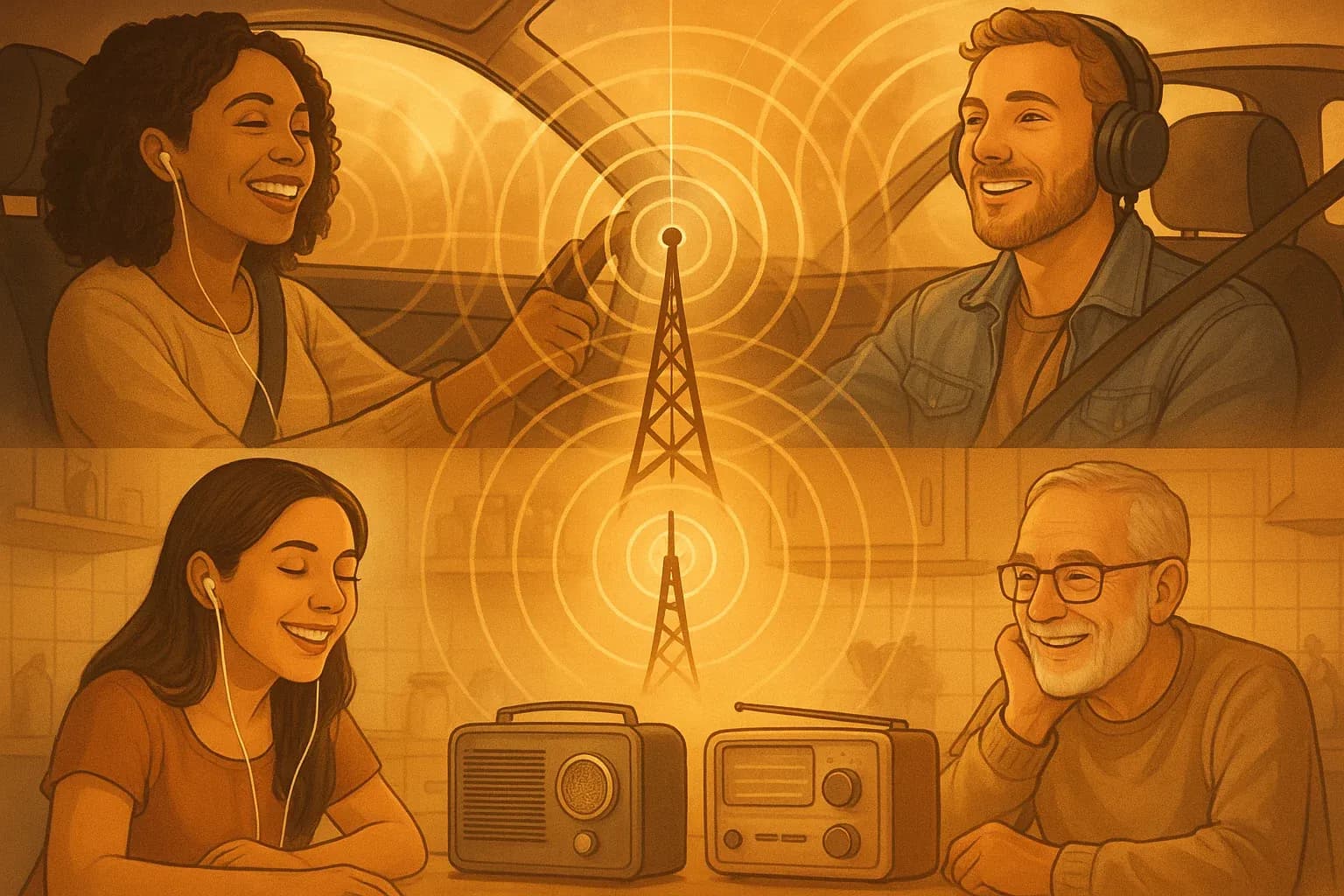
Ready to simplify your show prep?
Try RCP free for 7 days. $0 until day 8