
Great morning show prep isn't about finding more content—it's about developing a systematic approach that makes the right content easier to find, organize, and deliver. We hear this constantly from radio professionals: some hosts prep for hours and still sound scattered on-air, while others prep efficiently and sound brilliant every single time.
The difference? It's not effort. It's approach.
Most prep advice focuses on what to prep—lists of topics, content sources, trending stories. That's useful, but it misses the bigger question: What actually makes prep great? What separates the hosts who always sound prepared from those who are scrambling?
That's what we're exploring today. Not more content sources. Not another list of show prep services. The actual principles and process behind prep that works.

The Morning Show Prep Mindset: Why How You Think Matters More
Here's something stations tell us constantly: their best hosts don't necessarily prep longer. They prep smarter. Great prep is fundamentally about decision-making, not just information-gathering.
Think about it. You can accumulate infinite content. Every news site, trending topic, local story, and viral video is potentially "prep." The skill isn't finding more—it's knowing what to grab and what to skip. That requires a completely different mindset.
The best hosts we've worked with share this trait: they know their "enough" threshold. They understand when they have what they need and can stop adding to the pile. Over-preparation is just as dangerous as under-preparation. Too much material creates decision paralysis on-air. You end up with a stack of great content and no idea what to lead with.
If you're stuck in the 4 AM panic prep cycle, it's usually not because you didn't prep enough. It's because you didn't prep with intention. You gathered without filtering. That's exhausting and ineffective.
Stop measuring prep by hours spent. Start measuring it by confidence gained. When you feel ready to walk into that studio and handle whatever comes up, you're done prepping.
When Great Prep Actually Happens (It's Not Just the Night Before)
Here's a truth that might change how you approach your job: the best hosts prep 24/7, even when they don't realize they're doing it.
That doesn't mean they're always working. It means they're always noticing. Great prep isn't a scheduled block of time—it's a constant antenna. The host who overhears a conversation at the grocery store and thinks "that's a topic" is prepping. The one scrolling social media and bookmarking a thread for tomorrow is prepping.
This "always on" approach doesn't burn you out. It actually reduces stress because you're never starting from zero. By the time you sit down for formal prep, you already have a foundation.
Now, about timing. There's no universal answer to "how much time should I spend?" but there are patterns. Morning shows often benefit from batching: doing deeper prep on weekends or slow days, then lighter daily updates. Afternoon shows can prep same-day since news cycles have developed. Your comprehensive show prep guide should match your show's rhythm, not copy someone else's.
The danger zones? Last-minute scrambling obviously hurts quality. But over-planning kills spontaneity. The hosts who script every break sound stiff. Find your balance—enough structure for confidence, enough flexibility for real moments.
The Three-Filter System: Relevance, Relatability, Repeatability
When you're drowning in potential content, you need a fast way to decide what's worth using. I recommend a three-filter system that takes about ten seconds per piece of content.
Filter 1: Relevance. Does this matter to my audience right now? Not audiences in general. Not what worked for another market. Your listeners, today. A viral TikTok trend might be everywhere, but if your demo doesn't care, it's not relevant. Kill it and move on.
Filter 2: Relatability. Can listeners see themselves in this? The best content creates a "me too" response. A story about crazy airline fees works because everyone's experienced it. A story about a celebrity's yacht problems? Not relatable for most demos. Same news cycle, different filter results.
Filter 3: Repeatability. Is this a one-and-done, or can it become something bigger? One-time stories fill breaks. Repeatable concepts build shows. "Stupid criminal of the day" becomes a recurring segment. "That one weird crime from Tuesday" is forgotten by Wednesday. Prioritize content that can grow.
For 30 content ideas organized by category, the three-filter system works as a quick gut-check. Run each potential bit through these questions and you'll cut your pile by half in minutes.
Here's an example. Same story: "Survey says 60% of people lie about reading books they haven't read." For a Hot AC morning show? Highly relatable (relatability: pass), timely enough (relevance: pass), could become a recurring "confession" segment (repeatability: pass). For an all-news station? The study itself matters more than the fun angle—different application of the same filters.
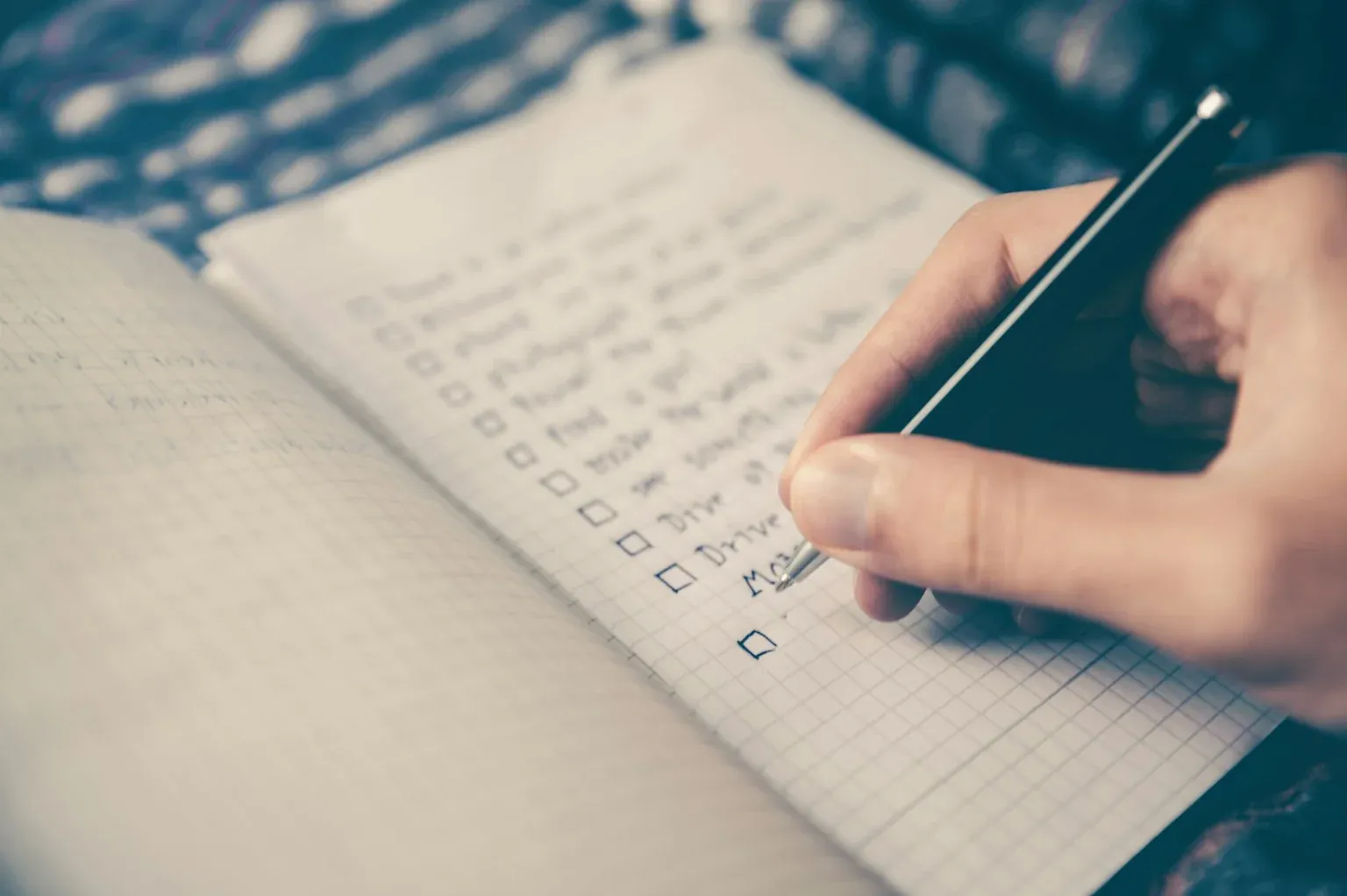
Organization That Actually Works (Not Just Lists)
Most hosts have notes. Few hosts have organized notes. There's a huge difference.
A list of topics isn't organization. It's a pile with line breaks. Real organization means your content is grouped by how you'll use it, not when you found it.
I recommend the "ready stack" approach. Organize prep into situational buckets:
- Openers: Strong conversation starters, high-energy, gets phones ringing
- Fallbacks: Reliable content when planned bits die or run short
- Flex content: Works in any hour, any break, no setup needed
- Format-specific: Content that fits your exact audience (country listeners, CHR demos, talk callers)
This way, you're not scanning a chronological list mid-show thinking "what's next?" You're pulling from a category that matches your need in the moment.
Templates also beat scripts. A script tells you exactly what to say—and sounds like it. A template gives you structure: "Here's the setup, here's the hook, here's where the payoff goes." You fill in the words live. Same preparation, zero robotic delivery.
One more thing: digital vs. paper is personal preference. We've seen brilliant hosts using Notion dashboards and brilliant hosts using legal pads. The tool doesn't matter. Consistent structure does.
Here's a structure that works for many formats: keep your prep in three tiers. Tier 1 is your "must use" content—two or three items that are strong enough to anchor the show. Tier 2 is your "probably use" content—good material that fills gaps. Tier 3 is "nice to have"—backup content you might not need but don't want to lose. This tiered approach stops you from treating all content equally, which is how good bits get buried under mediocre ones.
The Local Advantage: Prepping What Others Can't Copy
Want the highest-ROI prep work you can do? Go local.
National content is easy. Everyone has access to the same trending stories, celebrity news, and viral moments. That means everyone sounds the same when they use it. Local content is your competitive moat.
The host who knows about the new restaurant opening downtown, the road construction frustrating commuters, and the local high school team's playoff run—that host sounds like they live in the community. Because they do. No syndicated show can touch that.
Here's how to systematize local content gathering:
- Community intelligence: Follow local Facebook groups, Nextdoor, and hyperlocal news sites
- Listener sourcing: Train your audience to send you tips and local stories
- Regular beats: Check the same local sources daily (school board meetings, city council, local business news)
This takes effort, but RCP Local automates much of this process—pulling local news, events, and community stories so you're not manually monitoring dozens of sources.
The point isn't just having local content. It's being the station that always has local content. Consistency builds reputation.
Pro tip: keep a running list of "local evergreens." These are stories that work any time—the beloved diner that's been open for 50 years, the quirky local tradition, the annual event everyone loves. When you need local content fast and nothing's breaking, these save you. Build this list over time and you'll never be stuck scrambling for something local to say.
How AI Changes the Prep Equation
AI has changed show prep. Pretending otherwise wastes energy you could spend getting better.
Here's the framework that works: the 90/10 principle. Let AI handle 90% of the gathering. You handle 10%—the perspective, the angle, the personality that makes content yours.
AI is brilliant at:
- Aggregating stories from dozens of sources
- Summarizing long articles into talkable points
- Finding trending topics early
- Organizing content by category or format
AI can't do:
- Know what your specific listeners care about
- Add your personal take or humor
- Decide which story leads and which gets cut
- Sound like a human who actually cares
The hosts struggling with AI treat it like a replacement. It's not. It's a filter that pre-processes the content ocean so you can focus on the creative work.
Radio Content Pro approaches this with AI-powered curation that handles the gathering while keeping you in control of the voice. The goal isn't automating your personality. It's freeing up the time and mental space to use your personality.
Here's what that looks like in practice: instead of spending 90 minutes scanning news sites, social feeds, and trending topics, you spend 15 minutes reviewing pre-organized content that's already filtered for your format. The other 75 minutes? You use that to actually think about angles, practice bits, or just show up to the studio less exhausted. Time saved on gathering is time earned for creativity.
FAQ: Morning Show Prep Questions
How far in advance should I prep? Depends on your show type, but the principle is "enough to feel confident, not so much that it goes stale." Morning shows typically benefit from a base layer of prep done 12-24 hours ahead, with same-morning updates for breaking news. Prep too early and your content ages out. Prep too late and you're rushed.
What if something breaks overnight and my prep is outdated? Great prep includes flexibility. Always have "evergreen" content that works regardless of breaking news, and build in time for morning-of updates. The best prep isn't a rigid script—it's a foundation that can adapt.
How do I prep for co-hosts with different styles? Shared frameworks, individual execution. Agree on the topics and segment structure, but let each person bring their own angle. Prep meetings should align on "what we're covering," not "what we're saying."
Key Takeaways
- Great prep is about approach, not hours. Measure by confidence gained, not time spent.
- Use filters to cut content fast. Relevance, Relatability, Repeatability.
- Local content = highest ROI. It's your competitive advantage.
- Organization beats more content. Ready stacks > random lists.
- AI handles gathering, you handle perspective. The 90/10 principle.
- Prep smart, not just hard. The best hosts don't work more—they decide better.
Want this done for you?
Ava Hart's Daily Prep
Everything you need for great morning show prep—delivered to your inbox every weekday at 1 AM Pacific. Ready before you wake up.
- 📰News stories — What's happening now, with on-air summaries
- 🎬Pop culture stories — What people are talking about
- 📅Daily features — Birthdays, history, horoscopes, trivia
- 🎯Weekly features — Talk topics, The Impossible Question + more
Ready to simplify your show prep?
Try RCP free for 7 days. $0 until day 8